


Electrical Fire Extinguisher

Electrical fires can start unexpectedly and spreads rapidly when heat builds inside wiring, circuit breakers, or appliances. They differ from other types of fires because electricity can remain a live hazard even after flames appear controlled, and the wrong extinguisher can cause electric shock or make the fire worse. This guide helps facilities and procurement teams choose the right extinguisher for electrical equipment areas, protect sensitive devices, and integrate portable fire extinguishers into a compliant fire protection plan.
Choosing the Right Electrical Fire Extinguisher
The goal is simple. Use extinguishers specifically designed to stop electrical fires without conducting electricity, and without creating secondary damage that disrupts operations.
When selecting an extinguisher, consider:
- The power source and whether the circuit can be isolated safely
- The fuel source and burning materials nearby, such as wood, paper, plastics, oil, or flammable liquids
- The risk of smoke, poor visibility, and toxic fumes
- Confined spaces or enclosed spaces where CO2 can be dangerous
- Whether lithium ion battery fires are possible on site
Internal reading that supports your broader planning:
- Fire extinguisher types and uses explained: https://erfgroup.co.za/understanding-fire-and-fire-extinguisher-types-and-uses-explained/
- Essential fire fighting equipment: https://erfgroup.co.za/top-fire-fighting-equipment-essential-tools-for-fire-safety-and-efficiency/
- Servicing program: https://erfgroup.co.za/essential-guide-to-servicing-of-fire-equipment/
Overview of Fire Extinguishers and Electrical Fires
Electrical fires often start when wiring or appliances overheat, when outlets arc, or when extension cords and circuits are overloaded. Faulty wiring is a leading cause of electrical fires in workplaces and homes, and improper use of equipment increases risk. Once an electrical fire starts, it can ignite ordinary combustible materials, such as paper and wood, or involve flammable gases and combustible liquids if they are present nearby.
Why they are different:
- Water extinguishers and water content can conduct electricity and create electric shock risk
- Foam can also conduct electricity, especially if the wrong foam is used on live circuits
- Incorrect extinguishing agent choice can damage equipment irreparably
- Poor choice can allow the fire to grow, spread, and become more dangerous
Never use water to extinguish an electrical fire. Water-based and foam extinguishers can conduct electricity and cause electrocution.
Authoritative references for safety fundamentals:
- NFPA guidance on portable extinguishers and use: https://www.nfpa.org/codes-and-standards/all-codes-and-standards/list-of-codes-and-standards/detail?code=10
- South African fire protection overview context: https://www.sans10400.co.za/fire-protection/
Different Types Of Fire Extinguishers
Understanding the different types of fire extinguishers and their uses is essential for safely tackling electrical and other class hazards.
Common types of fire extinguishers include:
- Water extinguishers
- Foam extinguishers
- Dry powder extinguisher options
- Carbon dioxide extinguishers
- Wet chemical extinguishers
- Clean agent systems for specialised environments
Electrical fire extinguishers are those suitable for class c fires, meaning they use non-conductive agents that do not conduct electricity. They are used near electrical equipment where discharging water or foam would be dangerous.
Related internal reading on fire classes:
Carbon Dioxide (CO2) Fire Extinguisher
Carbon dioxide fire extinguishers are widely used for electrical fires because CO2 is heavier than oxygen and creates a barrier that suffocates the fire. CO2 extinguishers also cool hot components, which can stop heat-driven reactions and help prevent re-ignition.
Key advantages:
- Leaves no residue and is suitable for sensitive electronics and devices
- Suitable for electrical equipment and many small fires where the burning materials are limited
Key limitations:
- CO2 can cause frostbite if it contacts skin
- CO2 should be used with caution in confined spaces because of asphyxiation risk
- If the power source remains live, the hazard can continue even after flames reduce
Practical identification:
- Carbon dioxide extinguishers are identified by a black label and large nozzle horn
Internal reference:
Dry Powder Fire Extinguisher
Dry powder is versatile and can be used on electrical fires because many powder agents are non-conductive. A dry powder extinguisher can be a practical option for general electrical equipment areas where a clean agent is not available.
Benefits:
- Broad coverage across multiple class risks, depending on rating
- Effective knockdown for small fires
Trade-offs:
- Dry chemical fire extinguishers can leave corrosive residue that damages electronics
- Powder can reduce visibility in enclosed spaces, which increases risk during evacuation
- Cleanup and downtime can be significant where sensitive equipment is present
Internal reference:
Water Mist And Other Type Of Fire Extinguisher
Water mist extinguishers can be used on electrical fires when they use de-ionised water and are rated for electrical equipment. This is different from standard water extinguishers, which are not suitable for electrical fires or flammable liquid fires.
Key points:
- Water mist uses fine droplets and specific water content to reduce conductivity risk
- Always confirm the unit is suitable for class c fires and is marked for electrical use
- Do not substitute ordinary water extinguishers
Other types used in specialised environments:
- Clean agent systems such as FM-200 or Novec 1230 for critical rooms, where available and appropriate
- Wet chemical extinguishers for kitchen fires that involve cooking oils
- Specialised solutions for combustible metals and class d fires
Internal reading on signage and placement:
Lithium-Ion And Battery-Specific Extinguishers
Lithium ion battery fires require specific planning because they can re-ignite and produce intense heat. Battery-specific extinguishers such as Lith-Ex and AVD-style units are designed for lithium ion battery fires and can reduce re-ignition risk.
Where to consider battery-specific coverage:
- UPS rooms, comms rooms, and charging areas
- Electric vehicles charging zones
- Warehouses storing lithium-powered devices
- Workshops using battery packs and charging docks
Internal reference:
Which Fire Extinguisher For An Electrical Fire
When selecting which extinguisher to place near electrical hazards, consider the class risk and the operational consequences.
Practical recommendations:
- Use carbon dioxide extinguishers for sensitive electronics and devices where residue must be avoided
- Use dry powder for general electrical equipment coverage where residue and cleanup are acceptable
- Use water mist extinguishers for enclosed spaces where a rated electrical safe option is preferred and CO2 risk is a concern
Also consider other hazards near electrical equipment:
- Class a fires involving ordinary combustible materials such as wood, paper, and plastics
- Class b fires involving flammable liquids such as solvents, oil, and fuels
- Class f fires that involve cooking oils in kitchen fires
- Class d fires involving combustible metals in workshops and industrial processes
When To Use Carbon Dioxide
Use carbon dioxide for small electrical fires near electronics and devices, especially where you want to avoid powder residue. If safe, turn off the power source first because disconnecting electricity can help stop the fire from spreading.
Avoid CO2 in confined spaces or poorly ventilated rooms. In enclosed spaces, CO2 can displace oxygen and create a dangerous atmosphere.
When To Use Dry Powder
Use dry powder when CO2 is unavailable, or when the risk includes multiple types of fires and combustible materials. Dry powder can be effective around electrical equipment, but it can damage sensitive devices and increase downtime.
Avoid using dry powder in kitchens or food areas where contamination is a concern. Wet chemical extinguishers are more suitable for cooking appliances and cooking oils hazards.
When Not To Use Water Or Foam
Do not use water extinguishers on live electricals because water conducts electricity and can cause electric shock. Do not use foam extinguishers on electrical equipment because foam can conduct electricity and create hazards.
Using water or foam on electrical fires can also cause the fire to spread by creating short circuits and arcing. In many cases, it produces ineffective suppression and allows flames to grow.
Using the wrong type of fire extinguisher on an electrical fire can result in electric shock to the person operating the extinguisher.
How To Use A Fire Extinguisher On An Electrical Fire
If an electrical fire starts, disconnect the power source if it is safe to do so. If you cannot isolate power, do not take risks. Evacuate and call emergency services if smoke increases or the fire grows beyond controllable size.
Use the PASS technique to extinguish:
- Pull the safety pin
- Aim at the base of the fire where the fuel source is located
- Squeeze the handle
- Sweep side to side
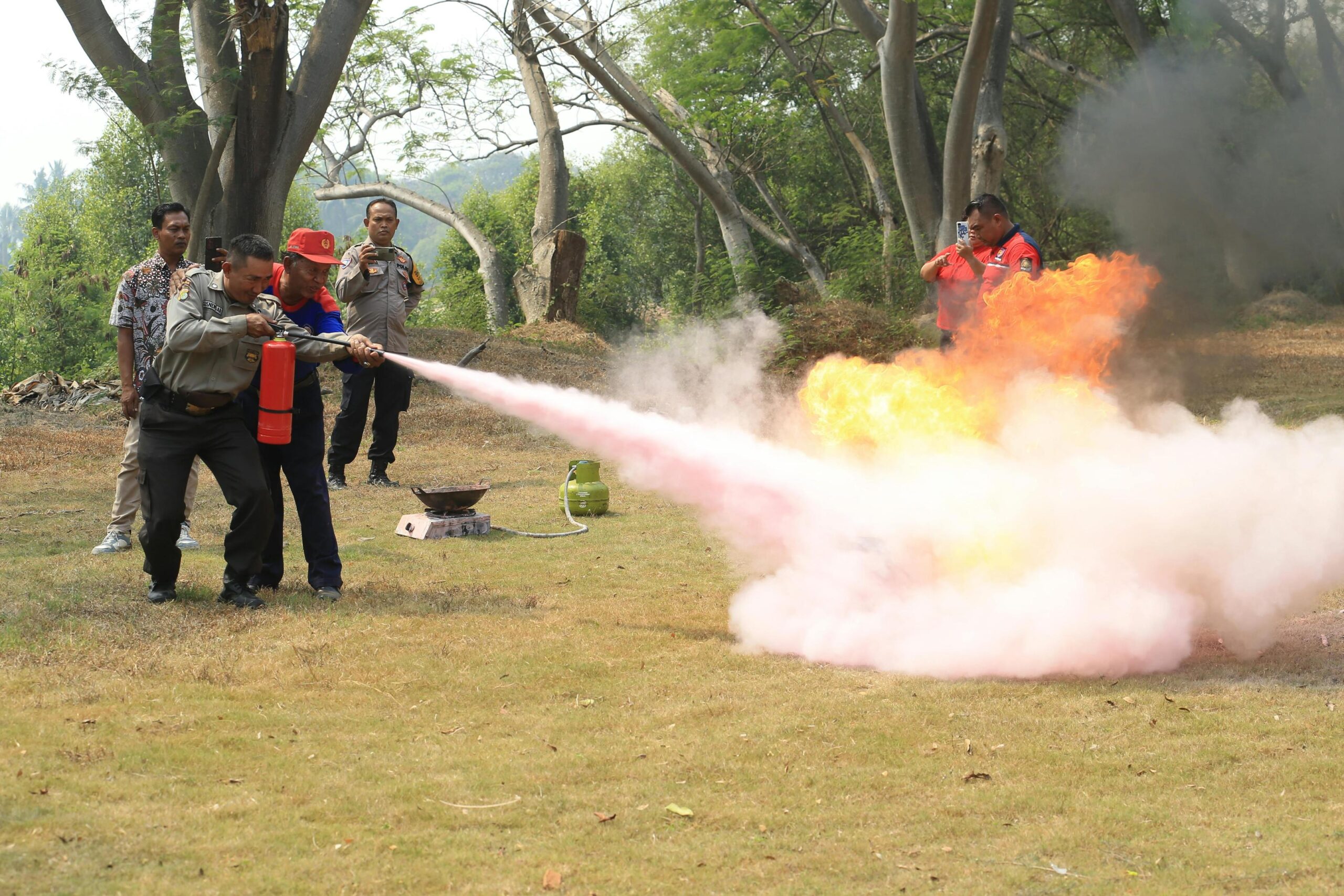
Pull The Pin
Pull the safety pin firmly to break the tamper seal and prepare the extinguisher for discharge.
Aim At The Base
Aim at the base of the fire, not the flames, because the fuel source and burning materials are at the base.
Squeeze The Handle
Squeeze the handle evenly and control the discharge to avoid wasting agent.
Sweep Side To Side
Sweep side to side at the base until the flames reduce and the fire is fully extinguished.
Avoiding Electric Shock And Other Dangers
Electric shock risk increases when conductive agents are used or when the power source remains live. Never use water content based extinguishers on electrical work areas if circuits may be energised.
Additional dangers to manage:
- Toxic fumes from burning materials and plastics
- Low visibility when powder fills the air
- Heat from overloaded circuits and overheating devices
- Risk of secondary explosions in high energy systems such as transformers and large switchgear
If your facility has transformer risk, consider specialised measures:
Regularly Inspect And Maintain Fire Extinguishers
Regularly inspect all extinguishers to keep them ready.
Minimum program:
- Monthly visual inspection of fire extinguishers
- Record each inspection in a maintenance log
- Replace or recharge after any discharge
- Arrange annual professional servicing per standards
Internal servicing guidance:
- https://erfgroup.co.za/essential-fire-extinguishers-service-keep-your-equipment-ready/
- https://erfgroup.co.za/essential-guide-to-servicing-of-fire-equipment/
Integrate Extinguishers Into Your Fire Protection Plan
Portable fire extinguishers should fit into an overall fire protection plan that includes detection, alarms, signage, evacuation planning, and site reviews after layout changes.
Practical steps:
- Map extinguisher locations across the building
- Ensure types match identified hazards and types of fires present
- Update the plan after changes to equipment, storage, or power distribution
- Coordinate with other systems such as sprinklers, hydrants, and suppression where applicable
Internal reading for broader planning:
- https://erfgroup.co.za/fire-detection-and-suppression/
- https://erfgroup.co.za/commercial-fire-sprinkler-systems/
Training And Placement Best Practices For Fire Extinguisher Use
Training employees is crucial for effective fire safety. In construction and industrial environments, hands-on training and correct placement reduce risk and improve compliance.
Best practices:
- Conduct hands-on training sessions and include PASS technique drills
- Position extinguishers along travel routes and near hazard zones
- Label each extinguisher with clear usage guidance and class coverage
- Keep access clear and maintain visibility with signage
Resources, Standards, And Further Reading
External references that support procurement and compliance:
- NFPA 10 standard reference: https://www.nfpa.org/codes-and-standards/all-codes-and-standards/list-of-codes-and-standards/detail?code=10
- SAQCC Fire competency context: https://saqccfire.co.za/
- South African fire protection overview context: https://www.sans10400.co.za/fire-protection/
Manufacturer datasheets should be used to confirm:
- The class rating and whether the unit is suitable for electrical equipment
- Discharge time and range
- Agent type and whether it is specifically designed for your risk zone
- Any restrictions for confined spaces
Quick selection table
| Risk area | Common causes | Recommended extinguisher | Why suitable | What to avoid |
|---|---|---|---|---|
| Electrical panels and switchgear | Overheat, arcing, wiring faults | Carbon dioxide | No residue, supports electronics | Water extinguishers, foam |
| General electrical rooms | Overloaded circuits, appliances | Dry powder | Versatile, non-conductive agents | Water content streams, foam |
| Enclosed electrical cupboards | Heat build-up, small fires | Water mist (rated) | De-ionised water can reduce conductivity risk | Standard water extinguishers |
| Battery charging zones | Lithium ion battery fires | Battery-specific units | Reduces re-ignition risk | Improvised agents |
| Kitchens with equipment | Cooking appliances, oil | Wet chemical | Suitable for cooking oils and class f fires | Powder as primary in food zones |
Quick quote block
If you need a site-ready plan for selecting, placing, and maintaining electrical fire extinguishers across multiple buildings, ERF Group can help you standardise equipment and servicing records. Contact us: https://erfgroup.co.za/contact-us/
To speed up the request, share:
- Site types and building layout
- Electrical rooms, panels, and high risk zones
- Any battery charging areas and devices
- Existing extinguisher coverage and servicing status
- Any audit or insurer requirements
Call to action
Electrical fires can start without warning, and the wrong extinguisher can be dangerous. Align your extinguisher selection to the hazards, train staff, and keep inspection and servicing records current. ERF Group can help you specify the right extinguisher for each risk zone and keep your fire protection plan inspection-ready. Contact us: https://erfgroup.co.za/contact-us/
Related Posts
Fire Extinguisher Prices in South Africa: A Practical Buyer’s Guide
TL;DR: Fire extinguisher prices in South Africa vary by agent, capacity, construction and supplier. Current…

Dry Powder Fire Extinguishers: Uses, Limitations and Buying Guidance
Dry powder fire extinguishers are widely used across commercial, industrial and vehicle environments because they…

9 kg Fire Extinguisher Prices: What Facilities Teams Should Compare
A 9 kg dry powder fire extinguisher is often selected for commercial, industrial and vehicle-related…
Leave a Reply