


Commercial Fire Sprinkler Systems in South Africa

TL;DR: ERF Group designs, installs, upgrades and maintains commercial and industrial fire sprinkler systems for warehouses, factories, offices, retail properties, data centres and other facilities. The correct solution depends on the building use, fire risk, storage arrangement, available water supply and approved fire strategy. A site assessment is the right starting point for a new system, extension or compliance-related upgrade.
Fire sprinkler systems provide automatic, localised water discharge when heat from a developing fire activates a sprinkler head. For facilities and property teams, their value lies in early control: limiting fire growth, protecting escape routes, reducing damage and supporting business continuity while emergency services respond.
A commercial sprinkler project is not a simple product purchase. Pipework, sprinkler heads, valves, pumps, tanks, alarms and monitoring equipment must operate as one engineered fire protection system. The design also needs to suit the building rather than being copied from another site.
Fire sprinkler system services from ERF Group
ERF Group supports sprinkler projects from initial assessment through design coordination, installation, commissioning support and ongoing maintenance. This gives building owners, facilities managers, developers and contractors one practical partner for both new and existing systems.
Our work can include new installations, warehouse and tenant-fit-out alterations, extensions to existing pipework, sprinkler head relocation, valve-set work, pump and water-supply coordination, system testing, fault investigation and planned servicing. Scope is confirmed after reviewing the property, available drawings and the required fire strategy.
For related fixed protection, ERF can also coordinate requirements involving fire suppression systems, fire detection systems and other essential fire fighting equipment.
How automatic fire sprinkler systems work
Most automatic sprinkler heads contain a heat-sensitive element. When the temperature at an individual head reaches its operating threshold, that head opens and releases water over the affected area. Sprinklers generally activate individually in response to heat; they do not all discharge merely because one head operates.
Water flows through a controlled network of pipes supplied by the building’s fire-water infrastructure. Depending on the design, the system may rely on municipal supply, dedicated tanks, fire pumps or a combination. Alarm valves and monitoring devices can signal water flow or changes in system status.
This focused response is one reason sprinklers are used in commercial and industrial fire protection. The objective is to control or suppress a fire close to its point of origin, using a system designed for the site’s anticipated hazard.
Where commercial sprinkler systems are used
Commercial sprinkler systems are commonly specified for warehouses, distribution centres, factories, shopping centres, office buildings, hospitals, hotels, parking structures, data centres and multi-tenant properties. They may be required by an approved building design, a rational fire design, an insurer or the risk profile of the operation.
The same building can contain several different risks. A warehouse with high-piled plastics, for example, presents a very different challenge from an office floor or retail tenancy. Storage height, commodity type, rack configuration, ceiling height and obstructions all influence the design.
Facilities teams should therefore be cautious of quotations based only on floor area. A meaningful proposal requires enough information to understand the hazard, the required water demand and the relationship between the sprinkler system and the rest of the building’s fire protection.
Types of fire sprinkler systems
The appropriate system type depends on the environmental conditions and fire risk. ERF Group assesses the application before recommending a configuration, because the wrong type can create operational problems or leave part of the risk inadequately protected.
Wet pipe sprinkler systems
A wet pipe system keeps water in the pipe network and is widely used where temperatures remain above freezing. Its straightforward arrangement can support dependable operation and relatively simple inspection, provided the water supply, valves and pipework are correctly maintained.
Dry pipe sprinkler systems
Dry pipe systems hold pressurised air or nitrogen in the pipework, with water retained behind a control valve until a sprinkler operates. They are considered for areas where water-filled pipes could freeze or where environmental conditions make a wet system unsuitable.
Pre-action and deluge systems
Pre-action systems introduce an additional detection or control step before water enters the pipe network. They may be considered for sensitive environments where accidental water release presents a serious operational consequence. Deluge systems use open nozzles or heads and discharge across a defined hazard when the control system operates.
These are specialist arrangements. Selection should follow a risk-based design process and coordination with the building’s detection, alarm and operational requirements.
In-rack sprinkler protection
In-rack sprinklers are installed within storage racks to deliver water closer to a fire that may be shielded from ceiling-level discharge. They can be important in high-piled storage, especially where the commodity, packaging, rack arrangement or storage height creates a demanding fire load.
An in-rack sprinkler system must be coordinated carefully with stock movement and rack alterations. Damaged heads, missing guards, blocked discharge patterns or unapproved changes to storage can compromise protection.
Key components of a fire protection sprinkler system
A sprinkler installation is more than the visible heads at ceiling level. The complete system can include dedicated water storage, duty and standby pumps, jockey pumps, suction and delivery pipework, control valves, non-return valves, pressure gauges, flow switches, test connections, drain points and alarm interfaces.
Sprinkler heads are selected according to factors such as temperature rating, response characteristics, discharge pattern and application. Their position relative to ceilings, beams, services, lights, ducting, racking and stored goods matters because obstructions can affect water distribution.
Valves need to remain accessible, correctly identified and secured in their normal operating position. Pump rooms and tank areas should also be kept clear, protected and available for inspection. A closed valve or unavailable water supply can disable a much larger part of the system than one damaged sprinkler head.
South African design and compliance context
Commercial sprinkler requirements should be considered within the building’s approved fire-safety design and the applicable South African regulatory and technical framework. SANS 10400-T addresses fire protection in the application of the National Building Regulations, while detailed design and installation requirements may call on other relevant standards and approved project documentation.
The correct route depends on the building, occupancy and project. Large, unusual or higher-risk premises may require a rational fire design prepared by a suitably competent fire professional. Local authority requirements, insurer criteria and client risk standards can also influence the final solution.
Commercial Fire Sprinkler Systems in South Africa
TL;DR: ERF Group designs, installs, upgrades and maintains commercial and industrial fire sprinkler systems for warehouses, factories, offices, retail properties, data centres and other facilities. The correct solution depends on the building use, fire risk, storage arrangement, available water supply and approved fire strategy. A site assessment is the right starting point for a new system, extension or compliance-related upgrade.
Fire sprinkler systems provide automatic, localised water discharge when heat from a developing fire activates a sprinkler head. For facilities and property teams, their value lies in early control: limiting fire growth, protecting escape routes, reducing damage and supporting business continuity while emergency services respond.
A commercial sprinkler project is not a simple product purchase. Pipework, sprinkler heads, valves, pumps, tanks, alarms and monitoring equipment must operate as one engineered fire protection system. The design also needs to suit the building rather than being copied from another site.
Fire sprinkler system services from ERF Group
ERF Group supports sprinkler projects from initial assessment through design coordination, installation, commissioning support and ongoing maintenance. This gives building owners, facilities managers, developers and contractors one practical partner for both new and existing systems.
Our work can include new installations, warehouse and tenant-fit-out alterations, extensions to existing pipework, sprinkler head relocation, valve-set work, pump and water-supply coordination, system testing, fault investigation and planned servicing. Scope is confirmed after reviewing the property, available drawings and the required fire strategy.
For related fixed protection, ERF can also coordinate requirements involving fire suppression systems, fire detection systems and other essential fire fighting equipment.
How automatic fire sprinkler systems work
Fire sprinkler heads are the visible operating points in the network. Most automatic sprinkler heads contain a heat-sensitive element. When the temperature at an individual head reaches its operating threshold, that head opens and releases water over the affected area. Sprinklers generally activate individually in response to heat; they do not all discharge merely because one head operates.
Water flows through a controlled network of pipes supplied by the building’s fire-water infrastructure. Depending on the design, the system may rely on municipal supply, a dedicated water supply with tanks, fire pumps or a combination. Alarm valves and monitoring devices can signal water flow or changes in system status.
This focused response is one reason fire sprinklers are used in commercial and industrial fire protection. The objective is to control or suppress a fire close to its point of origin, using a system designed for the site’s anticipated hazard.
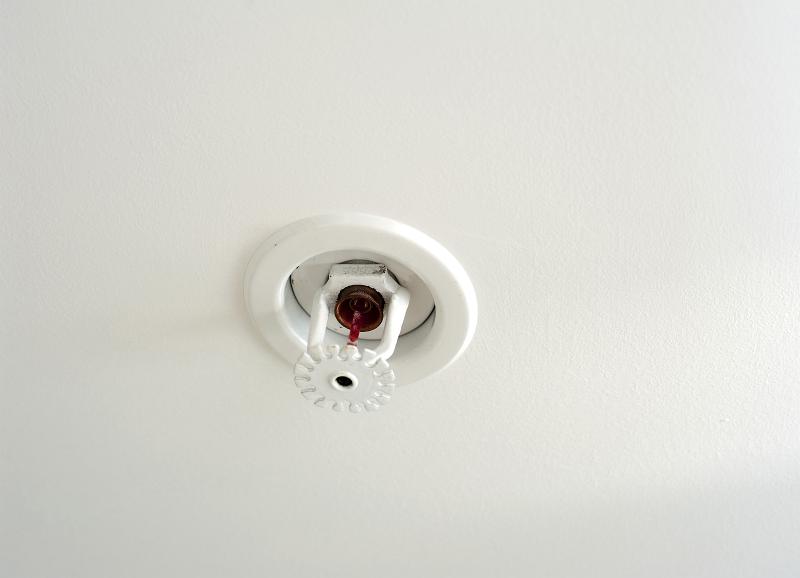
An automatic fire sprinkler head forms part of a wider engineered water-based protection system.
Where commercial sprinkler systems are used
Commercial sprinkler systems are commonly specified for warehouses, distribution centres, factories, shopping centres, office buildings, hospitals, hotels, parking structures, data centres and multi-tenant properties. They may be required by an approved building design, a rational fire design, an insurer or the risk profile of the operation.
The same building can contain several different risks. A warehouse with high-piled plastics, for example, presents a very different challenge from an office floor or retail tenancy. Storage height, commodity type, rack configuration, ceiling height and obstructions all influence the design.
Facilities teams should therefore be cautious of quotations based only on floor area. A meaningful proposal requires enough information to understand the hazard, the required water demand and the relationship between the sprinkler system and the rest of the building’s fire protection.
Types of fire sprinkler systems
The types of fire sprinkler systems used in commercial buildings vary. The appropriate system type depends on the environmental conditions and fire risk. ERF Group assesses the application before recommending a configuration, because the wrong type can create operational problems or leave part of the risk inadequately protected.
Wet pipe sprinkler systems
A wet pipe system keeps water in the pipe network and is widely used where temperatures remain above freezing. Its straightforward arrangement can support dependable operation and relatively simple inspection, provided the water supply, valves and pipework are correctly maintained.
Dry pipe sprinkler systems
Dry pipe systems hold pressurised air or nitrogen in the pipework, with water retained behind a control valve until a sprinkler operates. They are considered for areas where water-filled pipes could freeze or where environmental conditions make a wet system unsuitable.
Pre-action and deluge systems
Pre-action sprinkler systems introduce an additional detection or control step before water enters the pipe network. They may be considered for sensitive environments where accidental water release presents a serious operational consequence. Deluge systems use open nozzles or heads and discharge across a defined hazard when the control system operates.
These are specialist arrangements. Selection should follow a risk-based design process and coordination with the building’s detection, alarm and operational requirements.
In-rack sprinkler protection
In-rack sprinklers are installed within storage racks to deliver water closer to a fire that may be shielded from ceiling-level discharge. They can be important in high-piled storage, especially where the commodity, packaging, rack arrangement or storage height creates a demanding fire load.
An in-rack sprinkler system must be coordinated carefully with stock movement and rack alterations. Damaged heads, missing guards, blocked discharge patterns or unapproved changes to storage can compromise protection.
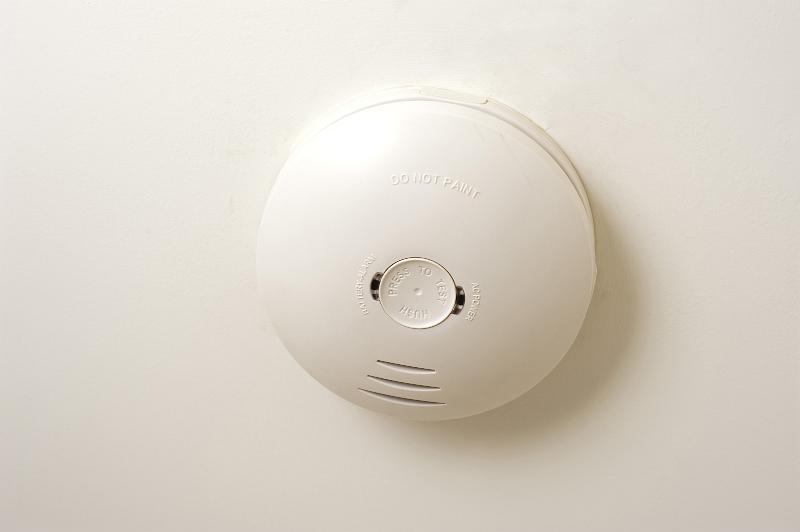
Sprinkler, detection and alarm interfaces must be coordinated within the approved fire strategy.
Key components of a fire protection sprinkler system
A sprinkler installation is more than the visible heads at ceiling level. The complete system can include dedicated water storage, duty and standby pumps, jockey pumps, suction and delivery pipework, control valves, non-return valves, pressure gauges, flow switches, test connections, drain points and alarm interfaces.
Sprinkler heads are selected according to factors such as temperature rating, response characteristics, discharge pattern and application. Their position relative to ceilings, beams, services, lights, ducting, racking and stored goods matters because obstructions can affect water distribution.
Valves need to remain accessible, correctly identified and secured in their normal operating position. Pump rooms and tank areas should also be kept clear, protected and available for inspection. A closed valve or unavailable water supply can disable a much larger part of the system than one damaged sprinkler head.
South African design and compliance context
Commercial sprinkler requirements should be considered within the building’s approved fire-safety design and the applicable South African regulatory and technical framework. SANS 10400-T addresses fire protection in the application of the National Building Regulations, while detailed design and installation requirements may call on other relevant standards and approved project documentation.
The correct route depends on the building, occupancy and project. Large, unusual or higher-risk premises may require a rational fire design prepared by a suitably competent fire professional. Local authority requirements, insurer criteria and client risk standards can also influence the final solution.
SAQCC Fire provides industry context for competency and registration in fire protection work, including fixed fire extinguishing systems. Facilities teams should verify that design, installation and servicing responsibilities are assigned to appropriately competent parties for the specific scope.
ERF Group does not treat a generic sprinkler quotation as proof of compliance. We first establish what documentation governs the site, what has already been approved, and whether the work is a new design, a modification or maintenance of an existing installation.
Our sprinkler system process
The process starts with a site discussion and information review. Existing drawings, occupancy details, fire designs, storage plans, previous inspection reports and records of system changes help establish the current position.
A physical assessment then considers the protected areas, water supply, pumps, tanks, valves, pipework, head positions, obstructions and interfaces with detection or alarm systems. For operating warehouses, storage heights and rack layouts must be compared with the assumptions behind the sprinkler design.
ERF then defines the proposed scope, required technical input, exclusions and testing or commissioning steps. Where other professionals or approvals are needed, those dependencies should be identified before work begins.
After installation or alteration, the system is inspected and tested in line with the agreed project requirements. Handover information should accurately record what was installed and provide a practical foundation for future inspection and maintenance.
Fire protection systems require competent design, installation, testing and ongoing readiness.
Fire sprinkler installation for new buildings and retrofits
New developments allow sprinkler pipe routes, pump rooms, tanks and service interfaces to be coordinated early. This can reduce clashes with ceilings, ventilation, electrical containment and structural elements, while helping protect access for future maintenance.
Retrofit work requires additional care. Existing ceilings, occupied areas, unknown pipe conditions and incomplete drawings can affect both programme and price. The work may need to be phased to keep parts of the building operational and minimise impairment of live fire protection.
Tenant changes are another common trigger. New partitions, bulkheads, shelving, mezzanines or high storage can obstruct discharge or leave heads incorrectly positioned. Facilities teams should include sprinkler review in their change-control process rather than waiting for a later inspection to reveal the problem.
Inspection, testing and sprinkler maintenance
Routine inspection is essential because many sprinkler faults develop without a fire event. Valves can be closed, gauges can fail, pipework can corrode, pumps can lose readiness and stock can be stored too close to sprinkler heads. Planned checks help identify these problems before they affect performance.
The appropriate inspection and test schedule depends on the system, applicable standard, approved design, insurer requirements and site risk. Some items need frequent site checks, while specialist tests and servicing are completed at defined intervals by competent personnel.
A practical facilities inspection should watch for:
- closed, locked or obstructed control valves;
- low tank levels, pump faults or abnormal pressure readings;
- leaks, corrosion, mechanical damage or unsupported pipework;
- painted, damaged, missing or obstructed sprinkler heads;
- storage or new services interfering with discharge clearance;
- unrecorded alterations to ceilings, racks or protected areas; and
- alarm, monitoring or fault signals that have not been resolved.
Any system isolation or impairment should be controlled and communicated. The responsible parties need to understand which areas are affected, what temporary risk measures apply and how quickly full protection will be restored.
Common sprinkler system problems
One frequent problem is undocumented building change. A system designed for a particular layout or storage arrangement may no longer match the actual use of the premises. Adding racking, increasing storage height or changing commodities can materially alter the fire risk.
Obstruction is another concern. New ducting, signage, lights, cable trays and ceiling features can interfere with discharge patterns. Even when sprinkler heads remain visible, the surrounding geometry may prevent water from reaching the intended area effectively.
Water supply issues can include inadequate tank capacity, pump faults, closed valves, poor pressure or deterioration in pipework. These problems are not always apparent from a visual check of the occupied space, which is why the entire water-based protection system must be included in planned maintenance.
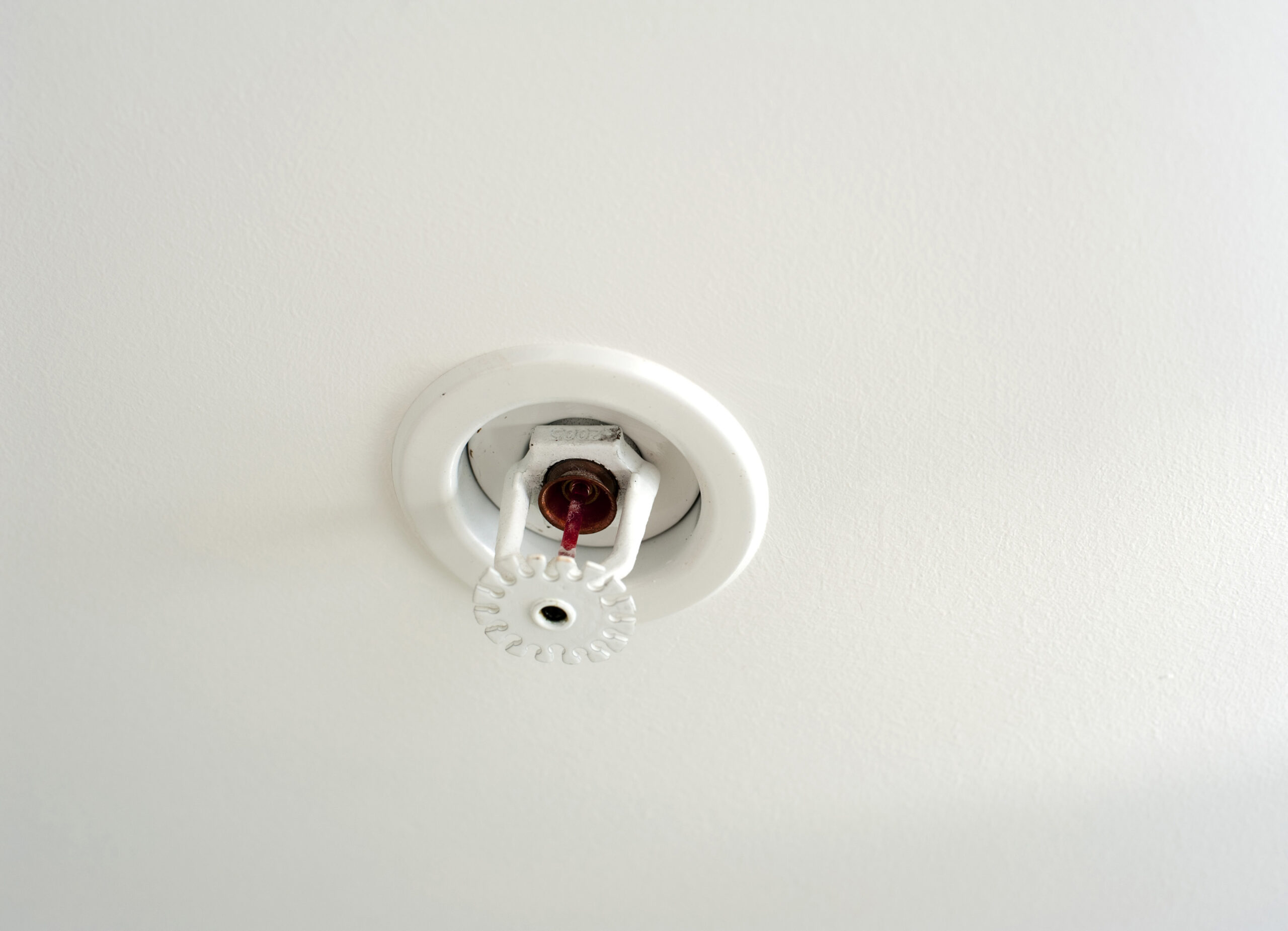
Changes to the building, ceiling or storage arrangement should trigger a review of sprinkler coverage.
When to request a sprinkler system assessment
Request an assessment when planning a new building, changing occupancy, extending a warehouse, installing or altering racks, adding mezzanines, refurbishing tenant areas or responding to an insurer or compliance concern. An assessment is also sensible when drawings are missing, maintenance records are incomplete or recurring faults have not been resolved.
Procurement teams should provide as much project information as possible. Building plans, fire designs, storage details, ceiling heights, water-supply information and existing system records allow suppliers to define scope more accurately and reduce avoidable quotation assumptions.
Why choose ERF Group?
ERF Group brings more than 50 years of fire protection experience to commercial and industrial sites. We understand that facilities teams need more than equipment: they need practical scoping, reliable project delivery, traceable servicing and clear communication when a system affects business operations.
Our broader capability across sprinklers, suppression, detection, hydrants, hose reels, extinguishers and fire equipment servicing helps coordinate related requirements without losing sight of the approved fire strategy.
For a new commercial sprinkler system, an alteration to an existing installation or a maintenance concern, Contact us. ERF Group will review the property, risk and available documentation before recommending the next step.
Fire sprinkler systems: frequently asked questions
Do all sprinkler heads activate at once?
In most conventional automatic systems, individual sprinkler heads operate when exposed to sufficient heat. System behaviour can differ for specialist arrangements such as deluge systems, so the approved design remains the reference.
Can an existing system be extended?
Often yes, but the effect on hydraulic performance, water supply, hazard classification and approved design must be checked. An extension should not be treated as simple pipework alone.
How often should a sprinkler system be serviced?
The schedule depends on the system, governing standard, approved fire design, insurer requirements and site conditions. Facilities teams should combine routine internal checks with planned inspection, testing and servicing by competent fire protection personnel.
Can ERF Group quote from floor area only?
Floor area is useful, but it is not enough for an accurate fire sprinkler proposal. Building use, storage, ceiling height, hazard, water supply and design documentation all influence scope and cost.SAQCC Fire provides industry context for competency and registration in fire protection work, including fixed fire extinguishing systems. Facilities teams should verify that design, installation and servicing responsibilities are assigned to appropriately competent parties for the specific scope.
ERF Group does not treat a generic sprinkler quotation as proof of compliance. We first establish what documentation governs the site, what has already been approved, and whether the work is a new design, a modification or maintenance of an existing installation.
Our sprinkler system process
The process starts with a site discussion and information review. Existing drawings, occupancy details, fire designs, storage plans, previous inspection reports and records of system changes help establish the current position.
A physical assessment then considers the protected areas, water supply, pumps, tanks, valves, pipework, head positions, obstructions and interfaces with detection or alarm systems. For operating warehouses, storage heights and rack layouts must be compared with the assumptions behind the sprinkler design.
ERF then defines the proposed scope, required technical input, exclusions and testing or commissioning steps. Where other professionals or approvals are needed, those dependencies should be identified before work begins.
After installation or alteration, the system is inspected and tested in line with the agreed project requirements. Handover information should accurately record what was installed and provide a practical foundation for future inspection and maintenance.
Fire sprinkler installation for new buildings and retrofits
New developments allow sprinkler pipe routes, pump rooms, tanks and service interfaces to be coordinated early. This can reduce clashes with ceilings, ventilation, electrical containment and structural elements, while helping protect access for future maintenance.
Retrofit work requires additional care. Existing ceilings, occupied areas, unknown pipe conditions and incomplete drawings can affect both programme and price. The work may need to be phased to keep parts of the building operational and minimise impairment of live fire protection.
Tenant changes are another common trigger. New partitions, bulkheads, shelving, mezzanines or high storage can obstruct discharge or leave heads incorrectly positioned. Facilities teams should include sprinkler review in their change-control process rather than waiting for a later inspection to reveal the problem.
Inspection, testing and sprinkler maintenance
Routine inspection is essential because many sprinkler faults develop without a fire event. Valves can be closed, gauges can fail, pipework can corrode, pumps can lose readiness and stock can be stored too close to sprinkler heads. Planned checks help identify these problems before they affect performance.
The appropriate inspection and test schedule depends on the system, applicable standard, approved design, insurer requirements and site risk. Some items need frequent site checks, while specialist tests and servicing are completed at defined intervals by competent personnel.
A practical facilities inspection should watch for:
- closed, locked or obstructed control valves;
- low tank levels, pump faults or abnormal pressure readings;
- leaks, corrosion, mechanical damage or unsupported pipework;
- painted, damaged, missing or obstructed sprinkler heads;
- storage or new services interfering with discharge clearance;
- unrecorded alterations to ceilings, racks or protected areas; and
- alarm, monitoring or fault signals that have not been resolved.
Any system isolation or impairment should be controlled and communicated. The responsible parties need to understand which areas are affected, what temporary risk measures apply and how quickly full protection will be restored.
Common sprinkler system problems
One frequent problem is undocumented building change. A system designed for a particular layout or storage arrangement may no longer match the actual use of the premises. Adding racking, increasing storage height or changing commodities can materially alter the fire risk.
Obstruction is another concern. New ducting, signage, lights, cable trays and ceiling features can interfere with discharge patterns. Even when sprinkler heads remain visible, the surrounding geometry may prevent water from reaching the intended area effectively.
Water supply issues can include inadequate tank capacity, pump faults, closed valves, poor pressure or deterioration in pipework. These problems are not always apparent from a visual check of the occupied space, which is why the entire water-based protection system must be included in planned maintenance.
When to request a sprinkler system assessment
Request an assessment when planning a new building, changing occupancy, extending a warehouse, installing or altering racks, adding mezzanines, refurbishing tenant areas or responding to an insurer or compliance concern. An assessment is also sensible when drawings are missing, maintenance records are incomplete or recurring faults have not been resolved.
Procurement teams should provide as much project information as possible. Building plans, fire designs, storage details, ceiling heights, water-supply information and existing system records allow suppliers to define scope more accurately and reduce avoidable quotation assumptions.
Why choose ERF Group?
ERF Group brings more than 50 years of fire protection experience to commercial and industrial sites. We understand that facilities teams need more than equipment: they need practical scoping, reliable project delivery, traceable servicing and clear communication when a system affects business operations.
Our broader capability across sprinklers, suppression, detection, hydrants, hose reels, extinguishers and fire equipment servicing helps coordinate related requirements without losing sight of the approved fire strategy.
For a new commercial sprinkler system, an alteration to an existing installation or a maintenance concern, Contact us. ERF Group will review the property, risk and available documentation before recommending the next step.
Fire sprinkler systems: frequently asked questions
Do all sprinkler heads activate at once?
In most conventional automatic systems, individual sprinkler heads operate when exposed to sufficient heat. System behaviour can differ for specialist arrangements such as deluge systems, so the approved design remains the reference.
Can an existing system be extended?
Often yes, but the effect on hydraulic performance, water supply, hazard classification and approved design must be checked. An extension should not be treated as simple pipework alone.
How often should a sprinkler system be serviced?
The schedule depends on the system, governing standard, approved fire design, insurer requirements and site conditions. Facilities teams should combine routine internal checks with planned inspection, testing and servicing by competent fire protection personnel.
Can ERF Group quote from floor area only?
Floor area is useful, but it is not enough for an accurate fire sprinkler proposal. Building use, storage, ceiling height, hazard, water supply and design documentation all influence scope and cost.
Related Posts
Fire Extinguisher Prices in South Africa: A Practical Buyer’s Guide
TL;DR: Fire extinguisher prices in South Africa vary by agent, capacity, construction and supplier. Current…

Dry Powder Fire Extinguishers: Uses, Limitations and Buying Guidance
Dry powder fire extinguishers are widely used across commercial, industrial and vehicle environments because they…

9 kg Fire Extinguisher Prices: What Facilities Teams Should Compare
A 9 kg dry powder fire extinguisher is often selected for commercial, industrial and vehicle-related…
Leave a Reply