


Layflat Hose

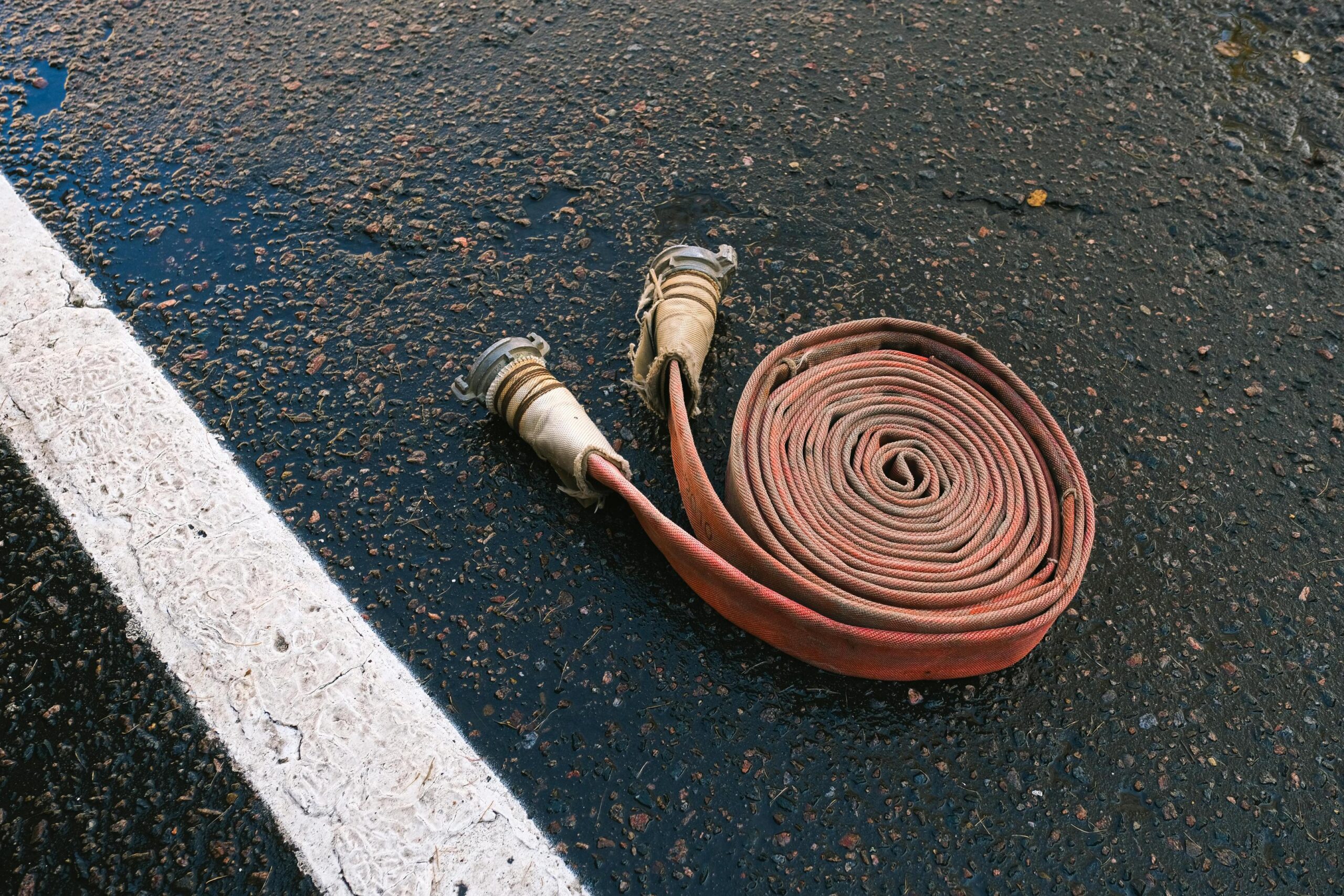
Layflat hose is a flexible, collapsible discharge hose used to move high volumes of fluid quickly over distance, then roll up into a compact coil for storage and transport. It is widely used across South Africa in agriculture, construction, and mining, and it is also used as a fire hose or hydrant hose for temporary firefighting supply.
Layflat hose summary
Layflat hose is designed for rapid deployment in irrigation, dewatering, mining pump-out, and emergency supply, including firefighting scenarios. To specify the right product, choose the correct sizes, material, couplings, terminations, and a pressure rating that matches your pump and application.
Product overview and pressure rating
Layflat hoses lie flat when not under pressure, then rounds out when flow begins. They have a very thin wall and are collapsible when unpressurized, which is why they can be easily rolled into small, light coils and stored in far less space than rigid piping.
Layflat hoses are lightweight, space-saving, and durable, allowing them to handle high-pressure water transfer while resisting corrosion, weather, and rough handling. They are also much lighter and more compact than rigid pipes, significantly reducing the space required for storage and transport.
These products are generally meant for discharge (positive pressure) and are not suitable for suction (negative pressure) applications because the hose will collapse.
A common firefighting reference is a 65mm x 30m layflat hose with a working pressure of 13 bar and designed for efficient and reliable operation in firefighting applications when fittings are correctly matched.
Types and materials
Layflat hoses typically use PVC, TPU (polyurethane), or rubber reinforced with woven polyester or nylon fabrics. Material choice affects flexibility, durability, UV protection, abrasion protection, and chemical compatibility, with cover choices improving abrasion resistance in tougher site conditions.
PVC layflat hose types
Blue PVC is suitable for dewatering, irrigation, and similar pumping applications.
Medium-duty Red PVC are ideal for irrigation and dewatering where higher pressure and increased durability are needed.
Red layflat hose is widely used as a fire hose and fire hydrant hose because visibility supports site control and improves security in emergency setups.
Rubber and nitrile types
Heavy duty black rubber nitrile layflat hoses are designed to operate at high pressures for long periods of time and are commonly used in mining and industrial work.
Rubber options are often selected for tough handling and long duty cycles.
TPU reinforced types
TPU options are often chosen for demanding environments where abrasion and chemical exposure are common.
This product is designed for repeated dragging and frequent deployment.
Layflat hoses are also used for transporting potable water with specialized food-grade versions, where the product information confirms suitability.
Sizes, lengths, and pressure units
Supplied in a range of options to match pumps and flow needs. Common options include 25 mm, 38 mm, 50 mm, 65 mm, 75 mm, 100 mm, 150 mm, and 200 mm. If you need to specify diameter, confirm the mm option to match the pump outlet and couplings.
Lengths are commonly supplied in 30 m, 50 m, 100 m coils, and custom cuts. Layflat hoses can be sold per meter, allowing customers to select the exact length they need.
Quick conversion information:
1 bar = 100 kPa
1 bar is about 14.5 psi
13 bar is about 188 psi
Weight affects handling and storage. Depending on construction, products can range from under 1 kg per meter to several kg per meter, so confirm handling requirements before purchase. For heavier runs, confirm whether the line will be moved by hand or using equipment, and allow for a realistic handling load in kg.
Couplings and ends
Couplings and terminations are critical because most leaks occur at the connection points. Choose couplings that match the pump outlet, and the pressure range for the application.
Common coupling types include:
Camlock couplings
Storz couplings (often used for firefighting)
Threaded couplings
Quick-connect options where fast setup matters
Selection guidance:
Match couplings to the same or higher rating than the hose.
Specify gasket materials based on fluid, chemicals, and temperature.
Confirm how terminations will be assembled (tail, clamp type, ferrule, and any reducers).
Procurement tip: include couplings and terminations in the same enquiry so the supplier can verify compatibility and reduce delays.
Applications
Irrigation and agriculture
Layflat hoses support efficient distribution and crop watering. Blue hose is common for general irrigation, while red medium-duty options are often used where tougher handling is expected.
Dewatering for construction and mining
Layflat hoses are essential for dewatering sites and high-volume transfer. Construction sites often need fast setup and frequent moves, while mining work often needs stronger durability and chemical compatibility.
Firefighting and emergency supply
Layflat hoses provide reliable high-volume supply in emergency scenarios such as firefighting, including use as fire hoses and hydrant hose runs. Red hose is often preferred for visibility and access management.
Installation, handling, and safety
Unroll the hose fully and straighten it before pressurising. Twists and sharp bends reduce flow and create stress points.
Practical handling guidance:
Use controlled pump start-up and valve operation to reduce surge spikes.
Keep the hose away from sharp edges and hot surfaces.
Drain and dry the hose before storage where practical, then roll it into compact coils.
Layflat hoses can be unrolled and laid out quickly across long distances and difficult terrains, which is useful for time-sensitive work and emergencies.
Testing and standards checks
For critical applications, ask for hydrostatic testing documentation and record the test value and date. Suppliers should be able to provide test details, especially where the hose is used for firefighting or industrial duty.
Useful external resources:
ISO context for collapsible irrigation hose test methods: https://cdn.standards.iteh.ai/samples/78131/981b38509aea4e62ba7232681ef66961/ISO-16438-2021.pdf
South African fire protection overview context: https://www.sans10400.co.za/fire-protection/
Maintenance and inspection
Layflat hoses generally require minimal maintenance and are more affordable than rigid piping systems for temporary runs, provided inspections and basic handling practices are followed.
Schedule routine checks for:
Cover cuts and abrasion
Leaks at couplings and terminations
Soft spots, bulges, or fabric exposure
Signs of chemical attack or UV damage
Log inspection dates and test details. Replace it after failed tests or repeated connection failures to reduce downtime during time-sensitive work.
Buying guide for ordering
Layflat hoses are lightweight, space-saving, and durable, allowing them to handle high-pressure water transfer while resisting corrosion, weather, and rough handling.
To get the right product quickly, include these details in your request:
Application (irrigation, dewatering, firefighting, mining, potable water)
Size options required
Length required (coil length or per meter supply)
Couplings and terminations needed (type, size options, gasket preference)
Fluid type and temperature
Collection location and lead time window
We have a large stock holding of layflat hoses for immediate availability. Layflat hoses are available for collection at various locations across South Africa depending on stock and specification. If you need urgent delivery for a site shutdown or emergency response, confirm stocked items and the expected delivery timeframe before you finalise the purchase.
Quick comparison table
| Option | Typical use | Colour | Typical size options | Material | Couplings fit | Durability notes | Lead time guidance |
|---|---|---|---|---|---|---|---|
| Blue PVC | Irrigation, dewatering | Blue | 25–100 mm | PVC + woven reinforcement | Camlock, threaded | Good general wear performance | Often stocked, faster turnaround |
| Medium-duty Red PVC | Higher duty irrigation, dewatering | Red | 50–150 mm | PVC + stronger weave | Camlock, threaded | Better abrasion handling | Confirm stock and lead time |
| Red for firefighting | Fire hose and hydrant runs | Red | 65 mm common | PVC reinforced | Storz common | High visibility for site control | Confirm fittings and compatibility |
| Black rubber nitrile | Mining and industrial | Black | 50–200 mm | Rubber nitrile | Heavy-duty options | Strong chemical compatibility | Longer lead time possible |
| TPU reinforced | Harsh handling, washdown | Black/Blue | 50–200 mm | TPU reinforced | Industrial options | High abrasion protection | Confirm lead time and availability |
The price range for layflat hoses can vary, with some options priced from R34,00 to R52,50 per meter depending on construction and quantity.
FAQs & Working Pressure
How is pressure rating different from burst rating?
Pressure rating is the recommended continuous operating delivery limit. Burst rating is the failure point under extreme conditions. Specify the operating requirement and allow margin for spikes, then keep test information for traceability.
Can layflat hose be used for chemicals or industrial washdown?
Yes, but material selection matters. TPU and rubber options often provide better chemical compatibility than standard PVC. Confirm transported fluid, temperature, and supplier information before you place an order.
Is layflat hose suitable for suction?
No. it is designed for positive pressure discharge. Under suction it can collapse. If suction is needed, select a suction-rated product instead.
Enquiry and next steps
If you need help specifying layflat hose by size, couplings, terminations, material, and lead time, Contact our experienced team: https://erfgroup.co.za/contact-us/
You can also submit a quote via our website: https://erfgroup.co.za/
For supply guidance based on ERF Group experience across irrigation, dewatering, mining, and site response scenarios, Contact us: https://erfgroup.co.za/contact-us/
We also apply ERF Group experience to help you reduce mismatch issues between pumps, couplings, and terminations, and to shorten downtime through clearer specifications.
Related Posts
Fire Extinguisher Prices in South Africa: A Practical Buyer’s Guide
TL;DR: Fire extinguisher prices in South Africa vary by agent, capacity, construction and supplier. Current…

Dry Powder Fire Extinguishers: Uses, Limitations and Buying Guidance
Dry powder fire extinguishers are widely used across commercial, industrial and vehicle environments because they…

9 kg Fire Extinguisher Prices: What Facilities Teams Should Compare
A 9 kg dry powder fire extinguisher is often selected for commercial, industrial and vehicle-related…
Leave a Reply