


Dry Powder Fire Extinguisher: Uses, Safety, and Buying Guide

A dry powder fire extinguisher is one of the most versatile options for mixed-risk sites because it can cover multiple fire classes, including incidents involving electrical equipment. This guide is written for facilities and procurement teams who need practical selection guidance, safe-use steps, and a clear maintenance approach for inspection readiness.
Dry Powder Fire Extinguisher
A dry powder fire extinguisher is designed to knock down flames quickly by disrupting the fire’s chemical reaction and forming a barrier between the fuel and the oxygen source. It is commonly specified where you want broad coverage for mixed hazards, including outdoor environments, workshops, and vehicle areas.
For an overview of fire classes and the right extinguisher type per class, see the different classes of fire.
Powder Fire Extinguisher
A powder fire extinguisher is sometimes referred to as:
- dry chemical extinguisher
- ABC powder extinguisher
- multi-purpose powder extinguisher
Typical use environments include:
- vehicle fleets and loading bays
- fuel storage and handling areas (petrol, diesel, butane)
- large workshops with mixed ignition sources
- outdoor environments with multiple fire risks present
If you need selection guidance for your site category, ERF Group also covers practical usage in when to use a dry chemical powder fire extinguisher.
Fire Extinguisher
A fire extinguisher should only be used when the fire is still controllable and you have a clear escape route behind you. Before using any extinguisher, do a quick check:
- Is the extinguisher in date and inspected?
- Is the pressure gauge in the correct zone?
- Can you identify the fire class and the likely fuel?
- Is the fire producing heavy smoke or spreading rapidly?
If any of those conditions are unclear, evacuate and call emergency services.
Authoritative references used by safety teams:
- SAQCC Fire for competency and technician context
- Fire protection overview in SANS 10400 Part T for SA building fire protection context
Dry Powder Extinguisher
Composition and types
The powder used in many dry powder extinguishers typically includes saline compounds such as potassium bicarbonate or sodium bicarbonate, and ammonium sulfate. Some specialist powders are designed for specific risks.
- Standard dry powder extinguishers are commonly used for Class A, Class B, and Class C coverage.
- Specialist powders such as L2 and M28 are used for Class D fires involving flammable metals.
For Class D risk environments, also see what is a Class D fire.
Where to use dry powder extinguishers
Dry powder extinguishers are typically effective for:
- Class A fires (ordinary combustibles such as wood, paper, textiles)
- Class B (flammable liquids such as petrol and diesel, paint solvents)
- Class C (electrical equipment, where the agent is non-conductive)
They are commonly recommended for mixed-fuel environments where versatility is required.
Dry Powder Fire
How a dry powder fire extinguisher works
Dry powder works by:
- forming a barrier between fuel and oxygen supply
- interrupting the fire’s chemical reaction (chemical inhibition)
- smothering the fire cloud so the flame front collapses
Important limitation: dry powder does not provide sustained cooling. Once the powder cloud disperses, there is a re ignition risk, especially if hot surfaces or ignition sources remain.
For electrical incidents, switch off power if it is safe to do so, then direct the jet of powder at the base of the fire.
Powder Fire
Pros
- Versatile option for mixed-risk environments
- Effective on flammable liquids and gases
- Useful for outdoor environments with fuel and vehicle risks present
- Available in many sizes for vehicles, workshops, and commercial sites
Cons
- Leaves residue that can damage sensitive electronic equipment
- Can obscure vision when discharged
- Does not cool deeply, which increases re ignition risk
- Not suitable for Class F kitchen fires involving cooking oils or fats
If you manage kitchens, use the correct approach for Class F hazards. ERF Group covers this separately in what is a Class F fire.
Dry Powder
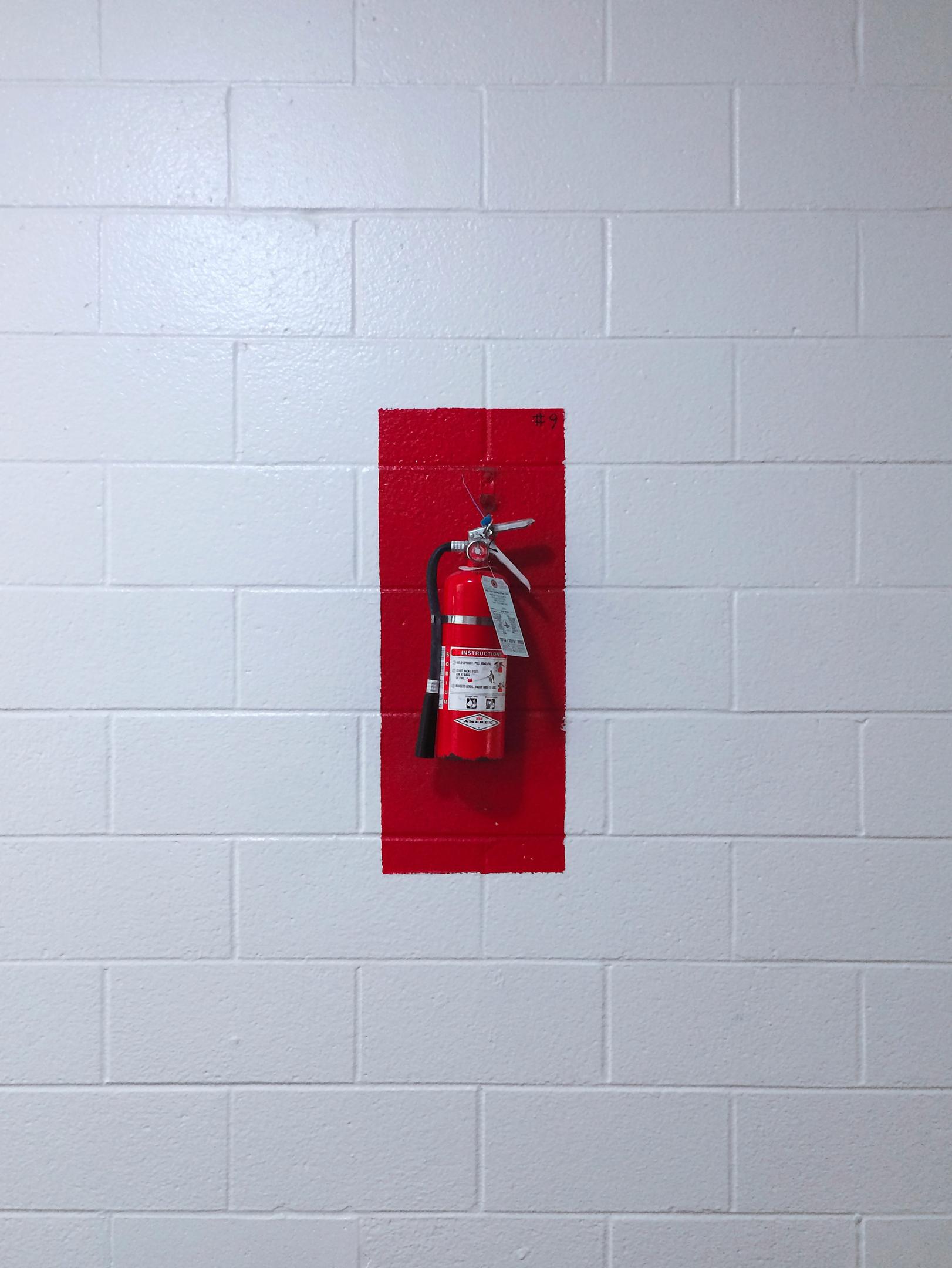
Identifying a powder fire extinguisher
Always check the label and markings, and confirm the unit is certified and suitable for your environment. Look for:
- a clear label showing class coverage
- cylinder size markings (for example 1 kg, 1.5 kg, 2.5 kg, 4.5 kg, 6 kg, 9 kg)
- intact safety pin and anti-tamper seal
- a readable pressure gauge indicator
Some powder units may have a blue coloured label depending on the manufacturer and local conventions. Use the label and class markings as the decision reference, not colour alone.
Sizes, coverage, and capacity
Dry powder fire extinguishers are available in various sizes including 1 kg, 1.5 kg, 2.5 kg, 4.5 kg, 6 kg, and 9 kg. The right size depends on the risk level, travel distance, and manufacturer coverage guidance.
AI Search pricing context (non-SA specific, use only as directional):
- 6 kg dry powder fire extinguisher is about 20 to 30 €
- 9 kg dry powder fire extinguisher is about 80 to 90 €
Actual local pricing will vary by certification, service support, and supplier.
Enclosed Spaces
Dry powder is not recommended for enclosed spaces or poorly ventilated enclosed areas because:
- powder can be inhaled (inhalation risk)
- vision can be obscured during discharge
- cleanup and contamination can be significant
- re ignition risk is higher if hot spots remain
For confined indoor areas or sensitive electronic rooms, consider alternatives such as CO2 where appropriate. See ERF Group guidance on when to use a carbon dioxide CO2 fire extinguisher.
If you must discharge powder in an enclosed area, evacuate occupants, ventilate the area after the fire is controlled, and arrange a technician visit to review damage and restore readiness.
Quick selection table
| Site risk example | Recommended extinguisher choice | Why it works | Key caution |
|---|---|---|---|
| Outdoor fuel handling (petrol, diesel) | Dry powder fire extinguisher | Versatile for mixed fuels | Residue cleanup |
| Vehicles and fleets | Powder fire extinguisher | Rapid knockdown, portable | Avoid enclosed cabins |
| Mixed-risk workshops | Dry powder extinguisher | Covers class A, B, C risks | Vision obstruction |
| Electrical equipment zones | Dry powder (non-conductive) or CO2 | Suitable for electrical risk | Switch off power if safe |
| Metal processing areas | Specialist powder for Class D | Designed for flammable metals | Verify correct agent type |
Maintenance, servicing, and legal considerations
Best practice is to service and maintain dry powder extinguishers regularly, and it is recommended to have them serviced at least once a year, or more frequently if used or damaged. During servicing, a qualified technician will inspect the extinguisher, check pressure, and replace damaged parts.
To support audits, keep a record per unit:
- location
- last service date
- inspection notes
- corrective actions taken
ERF Group guidance on maintaining inspection readiness: Essential guide to servicing of fire equipment.
Trust-first site scoping checklist
If you manage outdoor fuel risks, workshops, or vehicle fleets, the right approach is to match extinguisher type and size to the fire risk assessment of each area, then maintain a clear inspection and service record. ERF Group can help you standardise selection and maintenance planning across sites. Contact us: https://erfgroup.co.za/contact-us/
To speed up your enquiry, share:
- site type and risk zones (vehicles, workshop, fuel area)
- current extinguisher sizes and quantities
- whether electrical equipment exposure is present
- any enclosed spaces where powder is not suitable
- servicing status and any audit requirements
Next steps for safer coverage
Dry powder is a strong option for mixed-risk outdoor environments, but it is not ideal for enclosed spaces and it can damage sensitive electronic equipment. If you want a site-ready recommendation that balances safety, usability, and inspection readiness, ERF Group can assist with selection and servicing planning. Contact us: https://erfgroup.co.za/contact-us/
Related Posts
Fire Extinguisher Prices in South Africa: A Practical Buyer’s Guide
TL;DR: Fire extinguisher prices in South Africa vary by agent, capacity, construction and supplier. Current…

Dry Powder Fire Extinguishers: Uses, Limitations and Buying Guidance
Dry powder fire extinguishers are widely used across commercial, industrial and vehicle environments because they…

9 kg Fire Extinguisher Prices: What Facilities Teams Should Compare
A 9 kg dry powder fire extinguisher is often selected for commercial, industrial and vehicle-related…
Leave a Reply