


Essential Fire Fighting Equipment for Effective Emergency Response (South Africa)

Fire fighting equipment is not a “nice-to-have” in commercial facilities—it’s a legal, operational, and life-safety requirement. The importance of having reliable fire fighting equipment cannot be overstated, as it plays a critical role in effectively handling fire hazards and ensuring safety. In fact, when it comes to emergency preparedness, having the right fire fighting equipment is not a matter of choice—it’s an essential component for both safety and compliance. In South Africa, facilities managers should treat fire fighting equipment as a continuous lifecycle: install → train → inspect → service → document.
“SANS 10400-T requires that buildings include adequate means for detecting, fighting, controlling and extinguishing fires…” (Ndlambe Local Municipality)
Compliance with legal frameworks for firefighting equipment is mandatory for all facilities in South Africa. This ensures that every building meets the required standards for fire safety and prevention.
Introduction to Fire Fighting
Fire fighting in business facilities (Cape Town and nationwide) relies on three pillars:
- Early warning (detection + alarms)
- First response (portable devices + hose reels)
- Sustained suppression (hydrants/standpipes, sprinkler or fixed suppression systems)
A facility’s commitment to safety shows in how it budgets for equipment, maintenance, signage, and training—because fire fighting equipment that is unlabelled, unserviced, or blocked is effectively “not there”. Our mission is to provide efficient fire fighting, rescue, and recovery services aimed at minimizing loss of life and assets. We are dedicated to protecting and supporting individuals who face challenging or hazardous tasks in their daily operations. In the fire safety industry, it is essential to develop long-term relationships with clients and suppliers to ensure ongoing trust and collaboration. Fire-Quip emphasizes transparency, honesty, and accountability in all dealings with clients and suppliers.
South African extinguisher servicing guidance points users toward SANS 1475 permitting expectations for companies doing servicing work. (Fire Safety App)
Personal Protective Equipment
Personal protective equipment (PPE) is the frontline protection that enables firefighters and trained emergency teams to work inside hazard zones. PPE includes products designed specifically to protect and assist firefighters during emergencies. Good personal protective equipment supports safe firefighting operations in heat, smoke, and environments with hazardous substances.
What PPE typically includes
- Turnout/bunker gear (coat + pants) with heat/tear resistance
- Helmet and neck protection
- Firefighting gloves
- Boots
- Self-Contained Breathing Apparatus (SCBA) for clean air in smoke
- Hearing protection (where relevant)
- High-visibility elements for low-light response
Modern gear standards are evolving. NFPA published NFPA 1970 as a consolidated standard (and industry commentary highlights changes like particulate-blocking hoods and PFAS-free moisture barriers).
Eye protection
Eye protection is a small item with a big impact: smoke particulates, debris, chemical splash, and flying fragments during forcible entry can cause permanent injury. Face shields are a type of eye protection that provide full face coverage and enhance safety during hazardous activities. For facilities teams running drills, ensure eye protection is available, issued, and worn correctly—then reinforce it through training and spot checks. (Yes: “eye protection” belongs in your fire-safety plan.)
Personal protective equipment should be checked, cleaned, and stored correctly. Damaged PPE, missing eye protection, or expired components can undermine a response and increase risk.

Fire Extinguisher and Suppression
A fire extinguisher is the most recognised part of fire fighting equipment, but it’s only effective when:
- The correct unit is installed for the hazard
- It’s accessible
- People are trained
- It’s serviced and clearly labelled
Fire extinguishers and suppression systems are designed to extinguish fires quickly and prevent them from spreading. Dry chemical powder is a key suppression medium effective across multiple hazard classes. Fire blankets are also effective pieces of firefighting equipment, especially in kitchens and confined spaces.
Fire extinguisher basics (facility-friendly)
- Keep a fire extinguisher near identified risks and near exit paths
- Train staff on when not to fight a fire (evacuate and call responders)
- Include extinguisher checks in monthly inspection routines
- Fire fighting nozzles are essential tools used to control and extinguish fires.
Fire suppression systems may use wet or dry chemical agents depending on the hazard. A key example: foam systems help prevent re-ignition of flammable liquid fires (Class B) by smothering the surface and reducing vapour release. (SANS 10400 Regulations)

Hose Reel Systems
A hose reel provides rapid, building-based water delivery where sprinklers/hydrants are not immediately engaged or where trained personnel can begin early suppression. There is a wide selection of hose reel systems and accessories available to suit different building needs. Hose reel systems are essential for quick deployment in corridors, parking areas, and service passages—especially in larger buildings.
What to verify on a hose reel system
- Pressure and flow are adequate for the site
- Hose condition (cracks, perishing, leaks)
- Couplings/nozzles intact
- Clear access (not blocked by stored items)
- Routine testing logged and signed off
Facilities managers should deal with reputable suppliers when purchasing hose reel systems to ensure quality and compliance with fire safety standards.
Hydrants and standpipes connect to municipal supplies for sustained flow, supporting longer-duration response where required. (For many facilities, hose reels = immediate response; hydrants/standpipes = sustained response.)
Gas Detection and Safety
Gas detection is critical anywhere you have hazardous substances, flammable vapours, or confined plant spaces. Gases, including pressurized and chemical suppression media, present significant risks during firefighting operations and require careful monitoring. Gas detection supports prevention and early warning—especially in industrial and high-risk operations.
Typical gas detection applications include:
- LPG storage/handling zones
- Generator rooms and plant rooms
- Battery charging areas
- Workshops using solvents/paints
- Basements or spaces with limited ventilation
Because gas detection is only as good as its maintenance, include calibration and functional checks in your compliance calendar. Gas detection, gas detection, gas detection—if you have vapours, you need it.
Full Range of Firefighting equipment
Facilities teams often ask what a “full range” looks like. Facilities require a diverse range of firefighting equipment to address various risks present in different environments. Comprehensive solutions are available to meet specific fire safety needs, ensuring that all aspects of protection, training, and management are covered. Facilities cannot rely on minimal equipment for complex environments; a robust and complete system is essential for optimal safety and performance. Here’s a practical, site-focused full range view of firefighting equipment categories (yes: full range, full range, full range):
Ongoing budget, oversight, and governance are necessary for maintaining firefighting equipment and training. Training and development solutions are also available to help organizations and individuals improve personal competence and skills.
Quick equipment table for facilities managers
| Category | Examples | Primary purpose | Typical maintenance focus |
|---|---|---|---|
| First response | fire extinguisher, fire blankets, hose reel | Stop small fires early | Monthly checks + scheduled servicing |
| Water delivery | Hydrants, standpipes, fire hoses, couplings, monitors, nozzles | Sustained suppression | Flow/pressure tests, accessibility |
| Detection | Smoke/heat detection, gas detection | Early warning | Testing, calibration, battery/UPS |
| Rescue & access | Halligan tool/axes, hydraulic rescue tools | Forcible entry/extrication | Readiness checks, storage control |
| Visibility & control | TICs, PPV fans | Locate hotspots / remove smoke | Battery/charging, functional checks |
| Medical | first aid kits, aid kits | Immediate medical support | Stock checks, expiry checks |
| Signs | Danger signs, caution signs, warning signs | Communicate hazards, promote safety | Visibility, placement, condition checks |
Safety signs such as danger, caution, and warning signs are essential fire fighting equipment. They communicate workplace hazards and promote safety by alerting personnel to potential risks.
Thermal Imaging Cameras (TICs) are used to see heat signatures through smoke to find victims and hotspots. (GoThermal) Positive Pressure Ventilators (PPV) push smoke out to improve visibility and safety. (Fire Engineering)
Firefighting drones are increasingly used for situational assessment and thermal hotspot detection—South African municipal commentary highlights how drone imagery and thermal capability can support firefighting and rescue planning. (SALGA)

Emergency Response Planning
Emergency response planning is a cornerstone of fire safety for companies across South Africa, from Cape Town to Johannesburg and beyond. A robust emergency response plan outlines exactly how your team should respond when a fire breaks out, helping to protect both lives and property. This plan should start with a thorough assessment of potential fire hazards unique to your facility, followed by the selection and placement of the right firefighting equipment and safety equipment throughout the premises.
Equipment Maintenance and Inspection
The reliability of your firefighting equipment can make the difference between a minor incident and a major disaster. Regular maintenance and inspection are essential to ensure that all fire fighting equipment—such as fire extinguishers, hose reels, and detection systems—remains in optimal working condition and ready for use in an emergency.
Fire Fighting Techniques and Training
Even the best fire fighting equipment fails without proper training. Training is essential for fire fighters to ensure safety and effective facility management operations. Training must cover:
- Fire classes and correct extinguisher selection
- Hose reel deployment fundamentals
- Evacuation rules and assembly points
- PPE donning/doffing and eye protection discipline
- Working around hazardous substances
Fire-Quip provides unique and cost-effective training services to clients and is accredited with the MQA and complies with ISO standards. (firebreaksa.co.za)
Fire Fighter Safety and Health
Firefighter health is directly linked to PPE quality, SCBA readiness, heat stress management, and post-incident decontamination. Leading companies take pride in offering high-quality fire fighting equipment and services to protect firefighter health and safety. PPE should be integrated into the fire plan, with training for correct wear and use—especially where staff may act as first responders.
Also consider a specialised coating approach for harsh environments (coastal corrosion, chemical exposure zones) where cabinets, brackets, reels, and certain components may need additional protection. (Yes: specialised coating, specialised coating, specialised coating can materially extend service life in harsh sites.)
Fire Fighter Communication and Coordination
Communication enables safe coordination: radios, call-out trees, site maps, and clear roles. Communication tools and safety equipment are also essential for security personnel and law enforcement to maintain safety standards during emergencies. Combine this with visibility tools (TICs) and ventilation tools (PPV) to improve outcomes during firefighting operations.
Fire Fighting Technology and Innovation
The fire fighting industry is rapidly advancing, with new technologies and innovations continually emerging to enhance the effectiveness of firefighting operations. Staying informed about these developments allows facilities managers and procurement specialists to equip their teams with the most advanced and reliable safety equipment available.
Community Education and Outreach
Building a culture of fire safety extends beyond the walls of your facility. Community education and outreach are vital components in raising awareness about fire hazards and promoting safe practices among employees and the broader community. Facilities managers and procurement specialists should take an active role in developing and supporting fire safety education initiatives.
Supplier landscape in South Africa
When you purchase or tender for fire fighting equipment, quality assurance matters. Examples of SA suppliers frequently referenced in the market:
- Vanguard Fire & Safety describes itself as the “largest supplier of firefighting equipment in South Africa” and references products meeting high safety/quality standards (including NFPA approved products).
- Goscor Power Products is a company that has been supplying high-quality fire fighting products to a host of industries across Southern Africa for over 30 years. The company offers a diverse range of firefighting equipment suitable for various sectors including construction, mining, and agriculture, and provides a 12-month warranty on all manufactured parts of their fire fighting equipment. (firebreaksa.co.za)
- Fire-Quip is a 51% Proudly South African, black economic empowered company and an ISO 9001:2015 accredited fire fighting company in the country. The company also references B-BBEE positioning and offers training services. (firebreaksa.co.za)
- Firebreak SA is a BBBEE accredited company founded in 1996 that offers a total package of fire and safety products. The company provides an efficient fire fighting, rescue and recovery service on a cost-efficient basis. (firebreaksa.co.za)
Procurement tip: ask suppliers to supply products with clear documentation, servicing guidance, and spare/accessories availability—then confirm the support model.
Questions
Fire fighting equipment typically includes fire extinguishers, hose reel systems, hydrants/standpipes, fire hoses and couplings, nozzles/monitors, detection products (smoke and gas detection), fire blankets, and rescue/support tools (TICs, PPV fans, forcible entry tools), plus personal protective equipment and first aid kits / aid kits. Many of these items, such as PPE and rescue tools, are products designed specifically to protect and assist firefighters during emergencies.
Common facility types include: water, foam, dry chemical powder (ABC), and CO₂. Your risk profile may require specialised units for kitchens or unique hazards.
Beyond site equipment, firefighters use personal protective equipment, SCBA, forcible entry tools (Halligan/axes), rescue tools (hydraulic “Jaws of Life”), TICs, PPV fans, and increasingly drones for assessment in complex incidents. (SALGA)
In facility terms: fire extinguishers, fire blankets, hose reels/hydrants, detection/alarm systems, and PPE (including eye protection)—all maintained and documented.
Where ERF Group Fits In
ERF Group helps South African facilities teams specify, supply, install, and maintain fire fighting equipment as part of a compliant, auditable fire-safety programme. We offer tailored solutions to address the specific fire safety needs of South African facilities. From selecting the right fire extinguisher types and hose reel coverage to building inspection schedules, signage, and training, we help you keep equipment ready—so your team can respond safely and effectively.
Contact us:https://erfgroup.co.za/contact-us
Related Posts

Fire Suppression Systems for Commercial and Industrial Sites
A fire suppression system is designed to control or extinguish a fire automatically within a…

Electrical Fire Extinguishers: Choosing the Right Type for Energised Equipment
TL;DR: Fires involving energised electrical equipment require an extinguishing medium that does not conduct electricity…
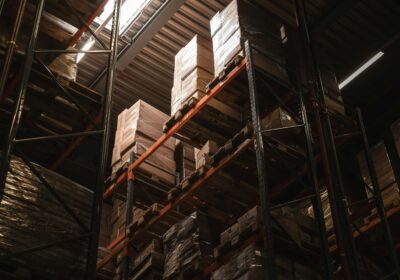
In-Rack Fire Sprinkler Systems for Warehouses and High-Piled Storage
Warehouses with high-piled or densely packed storage present a particular fire protection challenge. Pallets, cartons…
Leave a Reply