


What Fire Extinguisher For Electrical Fires: Practical Selection Guide

Electrical incidents rarely stay “electrical” for long. Faulty wiring, overloaded plugs, and failing components can generate heat and arcing that ignites insulation, plastics, dust build-up, packaging, or nearby flammable liquids, turning a small electrical fire into a fast-spreading event. If you’re asking what fire extinguisher for electrical, the right answer depends on the risk zone (panel room vs comms rooms vs workshop), what’s likely to burn next, and how much collateral damage your site can tolerate during an electrical fire response.

What counts as an electrical fire on site (and why the label can mislead)
An electrical fire is usually a fire where electrical equipment is the ignition source, for example short circuits, arcing, overloaded cables, or faulty wiring. But what burns is usually the surrounding fuel source, such as cable insulation, plastic housings, dust build-up, racking, cartons, or ordinary combustible materials. That distinction matters because the type of fire extinguisher you choose should be suitable for the ignition source and the burning material that may follow during an electrical fire.
A common chain looks like this: an electrical fault generates heat, the heat ignites nearby materials, and then the incident transitions into class a fires because ordinary combustible materials are now burning. In workshops, the same electrical fire can escalate into class b fires if flammable liquids or vapours are present. The “electrical” label is helpful, but it is incomplete unless you also consider the fuel involved.
First steps for facilities teams (before discharge)
If it’s safe and you have clear access, isolate power at the source (DB board, breaker, emergency stop). If you can’t safely isolate and the electrical fire spreads rapidly (smoke builds fast, flames move into surrounding materials), raise the alarm and evacuate immediately. If the scene is unstable, call emergency services early. In confined spaces, visibility drops quickly and heat can build fast, which increases electric shock risk and makes decision-making slower.
If you can’t control it within seconds without taking on risk, escalate and evacuate. Portable fire extinguishers are first line tools for small incidents, not a substitute for emergency response when conditions escalate.
Best fire extinguisher for electrical equipment by area (panels, server rooms, workshops)
Facilities teams get better outcomes when they standardise by risk zone rather than a one extinguisher everywhere purchase. A good spec uses multiple fire extinguisher types across a facility because the fuel source and operating risk differ by area.
Electrical panels, DB boards, and switchgear rooms
For incidents involving live electrical equipment, carbon dioxide fire extinguishers are often specified because they’re effective on electrical equipment incidents and leave no powder contamination on switches, boards, or electrical devices. CO2 extinguishers are identified by a black label and a large horn-shaped nozzle, which helps staff select the correct unit during an electrical fire.
Practical sizing guidance used on many sites:
- A 2kg CO2 unit is often considered sufficient for home or office use.
- Larger 5kg models are commonly specified for industrial panels, electrical rooms, and data environments where more discharge time may be required.
Server rooms and sensitive electronic equipment areas
In server rooms, comms rooms, and UPS areas, the priority is stopping the electrical fire while minimising downtime and contamination. CO2 is commonly selected because it avoids residue that can damage sensitive electronic equipment and extend outages.
Workshops and plant rooms with mixed hazards
Workshops often combine electrical equipment with flammable liquids, aerosols, and other combustibles, plus power tools that can generate sparks. In these zones, abc dry chemical extinguishers and other dry powder extinguishers are frequently selected because they can deal with a broader range of risks, including fires involving flammable liquids and ordinary combustibles, at the cost of residue and cleanup. Dry powder extinguishers can be used on electrical fires involving equipment under 1000 volts, but CO2 extinguishers are still commonly advised where electronics contamination and downtime matter.
Offices and electrical cupboards
For lower-hazard areas, CO2 is commonly used near electrical cupboards. Some sites also consider water mist units where the specific unit is rated or marked for safe use on electrical equipment. Procurement must verify the rating and record it so staff can select the right extinguisher confidently.
Internal ERF Group guidance to align decisions across multiple sites:
- CO2 selection: https://erfgroup.co.za/when-to-use-a-carbon-dioxide-co2-fire-extinguisher/
- Dry powder selection: https://erfgroup.co.za/when-to-use-a-dry-chemical-powder-fire-extinguisher/
- Lithium-ion guidance: https://erfgroup.co.za/lithium-ion-fire-extinguisher-facts-and-faqs/
CO2 vs dry powder fire extinguisher vs water mist: how to choose
Choosing the best fire extinguisher for electrical risk is about stopping the electrical fire, protecting the person operating, and reducing operational damage. This is where procurement should decide which extinguishers for electrical fires are appropriate by zone, then confirm installation and training.
Carbon dioxide (CO2): clean option for electrical spaces
Carbon dioxide works by displacing the oxygen around the fire and cooling it. It is widely used where residue is a problem, such as electrical rooms and data environments. It can be effective for a small electrical fire if applied early and correctly, particularly when the fuel source is still limited to wiring insulation or a device housing.
Operational considerations:
- CO2 can dissipate quickly in draughty areas.
- Re-ignition can occur if heat remains or power isn’t isolated.
- CO2 extinguishers should be used with caution in confined spaces due to asphyxiation risks.
Dry powder extinguishers: strong knockdown for mixed hazards
A dry powder fire extinguisher is often chosen for workshops or plant areas where you may have multiple fuels present. Dry powder is an extinguishing agent that interrupts the combustion process and can be effective where flammable liquids are present.
Trade-offs to plan for:
- Powder can infiltrate nearby equipment and extend cleanup and downtime.
- Discharge can reduce visibility, so sites must manage access and evacuation routes.
Water mist extinguishers: only if the model is rated for electrical use
Water conducts electricity in a continuous stream, which is why standard water based fire extinguishers are not a default choice for an electrical fire. Some water mist extinguishers are designed and tested for use on electrical equipment (model-dependent). Procurement should verify the rating and keep it on file so there’s no ambiguity during audits or incident reviews.
A key safety point for facilities teams:
- Class C fire extinguishers must use non-conductive extinguishing agents to prevent electric shock.
- For electrical fires, it is essential to use extinguishers that are rated for class c fires, which indicates they are electrically non-conductive.
- Class C fire extinguishers must be clearly marked for use on energized electrical fires to ensure safety.
Using water or foam extinguishers on electrical fires can cause the fire to spread by creating short circuits.
Class C fires vs Class A fires: what’s actually burning
Standardising by fire class improves procurement decisions and staff response. Here is the practical breakdown that facilities teams should know:
- Class A fires involve ordinary combustible materials such as wood, paper, cloth, and plastics.
- Class B fires involve flammable liquids or gases such as petrol, oil, propane, and alcohol.
- Class C fires involve energised electrical equipment, such as wiring, appliances, and electrical panels.
- Class D fires consist of combustible metals like magnesium, sodium, and potassium.
- Class F fires are kitchen fires that involve cooking oils, fats, and greases.
This is why “electrical fire” is often only the starting label. Once surrounding materials ignite, the incident may include class a fires and class b fires, depending on what is stored or used near the electrical equipment.
Additional selection guidance:
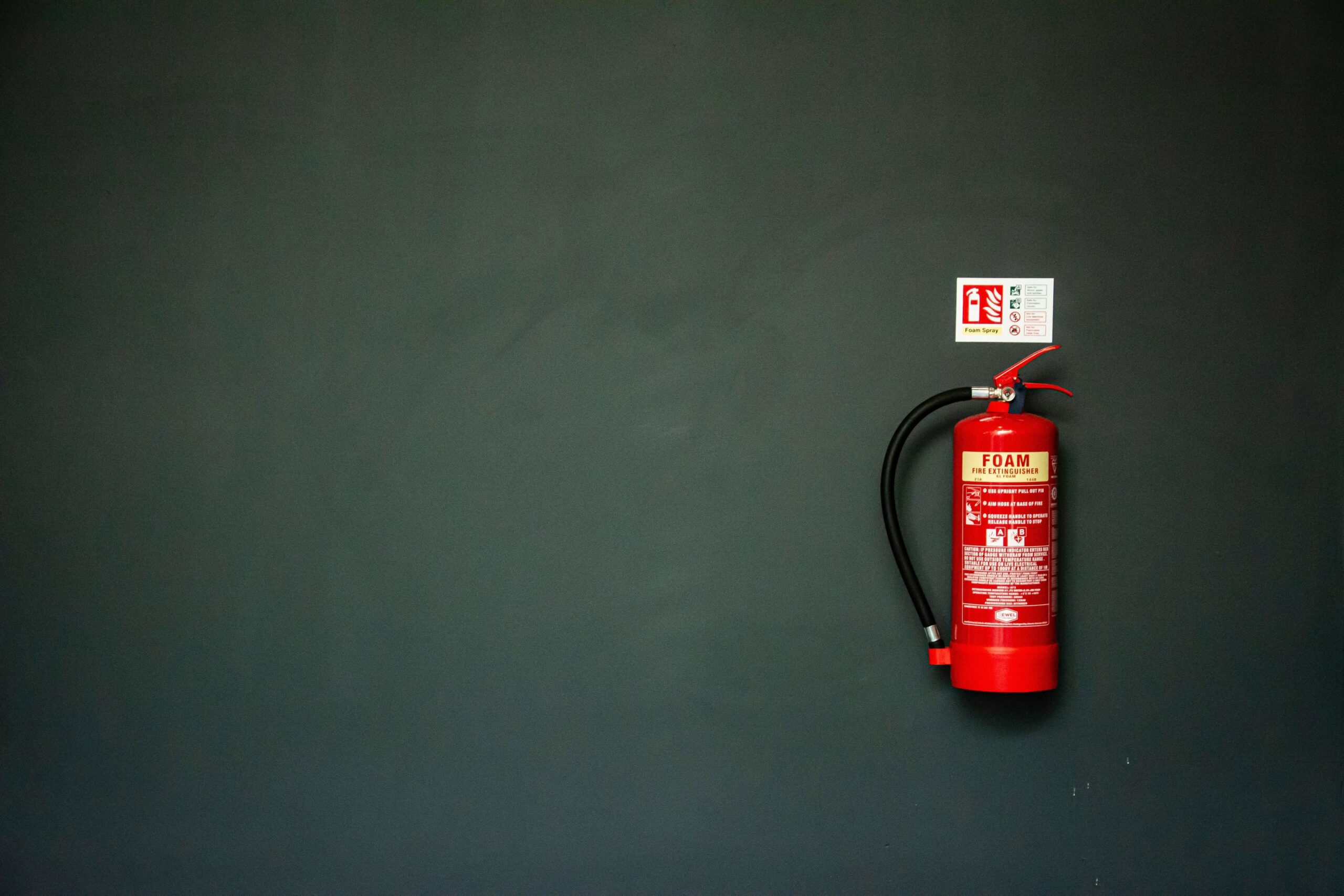
- Foam fire extinguishers are ideal for Class A and Class B fires.
- Foam and water should not be used on energised electrical fire situations because they can create short circuits and spread the incident.
Related ERF Group fire class guidance:
- https://erfgroup.co.za/the-different-classes-of-fire/
- https://erfgroup.co.za/understanding-fire-and-fire-extinguisher-types-and-uses-explained/
Electric shock risk and safety precautions before using an extinguisher
Electrical incidents add an extra layer of danger: electric shock and unpredictable re-ignition if power remains live. Sites should set a simple, repeatable response plan that protects the person operating and reduces the chance of making the fire worse.
Key safety points:
- Fire extinguishers should ideally only be used by someone who has been trained to do so.
- If you feel unsure about using a fire extinguisher, evacuate the building immediately.
A practical method to train and standardise response is the PASS technique:
- Pull the pin.
- Aim at the base of the fire.
- Squeeze the handle.
- Sweep the nozzle from side to side at the base of the fire until it is completely extinguished.
Operational safety precautions facilities teams should enforce:
- Confirm you have a clear exit behind you and the incident is still controllable.
- If isolating power is safe and immediate, do it first.
- In confined spaces, heat and smoke can build quickly.
- If the electrical fire spreads rapidly, evacuate immediately and call emergency services.
Server rooms: stopping the fire without destroying the site
For facilities teams, server rooms are where successful extinguishing can still be operationally catastrophic if the wrong extinguishing agent is used. Powder contamination can take systems down long after the flames are out. CO2 is often preferred in these areas because it reduces residue and helps protect sensitive equipment from contamination.
A practical approach includes selecting extinguishers for electrical fires that match the zone, keeping access clear, and ensuring a clear isolation and escalation process. Confirm who is authorised to isolate power and who calls emergency services if smoke conditions worsen.
Lithium-ion battery fires and EV risks (what facilities should plan for)
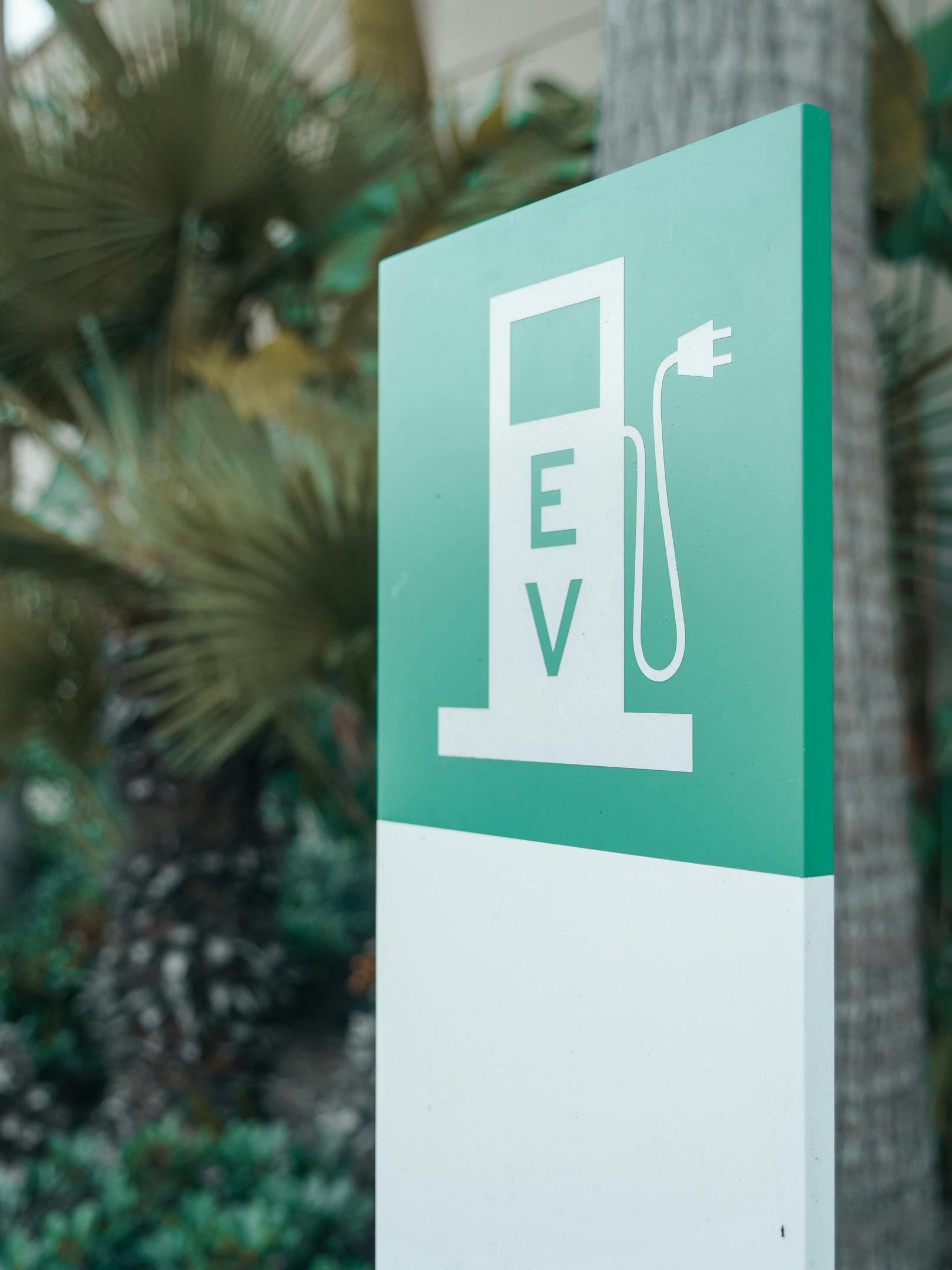
Lithium ion battery fires behave differently from many conventional events. They can generate intense heat, re-ignite after appearing controlled, and involve complex chemical reaction behaviour. This matters for EV charging bays, battery storage areas, and any site with high concentrations of rechargeable devices.
A practical facilities plan for lithium ion battery fires should include:
- Clear separation to reduce the chance that batteries ignite nearby materials.
- Early escalation and isolation procedures if abnormal heat or smoke is present.
- Selection guidance aligned to the risk profile for lithium ion batteries in the zone.
- Consider whether a fire suppression system approach is required for higher-risk zones.
Electric vehicles add planning complexity because an EV event can be prolonged. Even if the initial flame is controlled, heat and chemical reaction conditions can persist. Your site plan should treat lithium ion battery fires as a specialised scenario and set clear escalation rules, including when emergency services must be called.
Use ERF Group’s lithium ion battery fires guidance to standardise your plan:
https://erfgroup.co.za/lithium-ion-fire-extinguisher-facts-and-faqs/
Electrical fire extinguisher selection matrix for commercial sites
Table: Electrical fire extinguisher selection matrix for commercial sites
| Area / risk zone | Typical ignition source | Likely nearby fuel source | Recommended type of fire extinguisher | Why it’s chosen | Procurement notes |
|---|---|---|---|---|---|
| Electrical DB / switchgear room | Faulty wiring, arcing | Insulation, dust (Class A exposure) | Carbon dioxide fire extinguishers | Low residue for electrical equipment | Confirm rating/size, signage, clear access |
| Data rooms / comms rooms | UPS fault, overheating | Plastics, cabling | Carbon dioxide extinguishers | Protects sensitive electronic equipment from residue | Document isolation procedure + escalation plan |
| Office electrical cupboards | Overloaded plugs | Paper, cardboard, plastics | CO2 or water mist extinguishers (rated) | Practical for electrical devices | Verify electrical rating if water mist |
| Workshop with solvents | Tool faults | Flammable liquids + combustibles | abc dry chemical extinguishers | Broad capability across mixed fuels | Note residue/cleanup; standardise replacements |
| Plant room (mixed equipment) | Motor faults | Oils, packaging | Dry powder fire extinguisher | Versatile in mixed environments | Record locations and maintenance requirements |
| EV charging bay | Charger fault / battery event | Lithium ion batteries | Specialist guidance + controls | Re-ignition and heat intensity risk | Treat as a project: detection, separation, response plan |
| Commercial kitchen electrics | Appliance fault | Cooking oil and grease | Wet chemical class extinguisher | Designed for kitchen fires | Do not substitute CO2/powder as primary |
| Storage near panels | Electrical heat | Cartons/pallets | CO2 + housekeeping controls | Stops ignition; reduces spread | Enforce clearance zones and access |
Quick quote / booking
Standardising fire extinguishers across electrical rooms, workshops, kitchens, and EV zones works best when you map risk areas and select the right extinguisher for each zone, then keep documentation consistent across all premises. ERF Group can help you specify, supply, and standardise your portable fire extinguishers (including brackets, signage, and servicing expectations) to support compliance readiness. Contact us: https://erfgroup.co.za/contact-us/
- Number of sites + site types (office, warehouse, mall, parking, data centre)
- Risk zones (DB rooms, data rooms, workshops, kitchens, EV charging)
- Approximate quantities and current fire extinguisher types (if any)
- Any insurer/landlord requirements
- Access rules (security, after-hours, loading bays)
Common mistakes that make an electrical fire worse (and cause audit failures)
Most site failures are operational, not technical.
Common issues include:
- Treating an electrical fire as only class c fires risk, while the actual burning material becomes class a or class b because of surrounding materials and flammable liquids.
- Poor access. Fire extinguishers blocked by stock, racking, furniture, or parked equipment.
- Using the wrong extinguisher because sites are inconsistent and staff are unsure which extinguisher for electrical risk applies in that zone.
- Allowing dust build-up and storage creep near electrical panels, which makes ignition more likely and spreads the incident faster.
Kitchen areas need separate controls. Class f fires involve cooking oils, fats, and greases, so wet chemical extinguishers are a core requirement for kitchen fires. Foam extinguishers may be suitable for Class A and Class B in other zones, but foam should not be used on energised electrical equipment because it can create short circuits.
Regular inspections of fire extinguishers are essential to ensure they are ready for use in emergencies. For facilities teams, that means consistent checks for placement, access, and readiness indicators, plus documented servicing in line with your site schedule.
Related maintenance guidance:
- https://erfgroup.co.za/essential-guide-to-servicing-of-fire-equipment/
- https://erfgroup.co.za/the-importance-of-servicing-fire-extinguishers-and-hose-reels/
When to call emergency services
Call emergency services when:
- the electrical fire spreads beyond a controllable size,
- you can’t isolate power safely,
- smoke becomes heavy or visibility drops,
- there’s risk to people, or
- lithium ion battery fires are suspected and the event is escalating.
Facilities teams should standardise escalation triggers so staff don’t hesitate or improvise.
A fast call to emergency services is often the difference between a manageable incident and a major loss event.
Compliance and servicing: what procurement should require from suppliers
Selection is only half the job. Compliance readiness is usually proven through traceability. Fire extinguishers must be suitable, correctly placed, and maintained with records that match the assets on site.
Procurement-friendly expectations to include:
- Asset identification (ID + location + type of fire extinguisher).
- Consistent reporting pack (exceptions, replacements, refills, relocation notes).
- Readiness evidence (labels, tamper seal checks, and maintenance records).
- A servicing approach aligned to site needs and inspection discipline.
- Clear mapping by risk zone so staff know the right extinguisher for the area.
Useful external South African resources:
- SAQCC Fire: https://saqccfire.co.za/
- OHS Act regulations portal, sometimes is offline

FAQs
Can I use a CO2 extinguisher on an electrical fire?
Yes. CO2 is a clean extinguishing agent that works by displacing oxygen and cooling the fire. It can be effective for an electrical fire if applied early and safely. Manage electric shock risk by isolating power where possible, and use caution in confined spaces due to asphyxiation risk. If you feel unsure, evacuate immediately and call emergency services.
Is dry powder safe for electrical fires?
Dry powder extinguishers can be effective where an electrical fire may involve ordinary combustibles and flammable liquids, especially in workshops. Dry powder can suppress flames quickly, but residue can increase cleanup and downtime. Dry powder extinguishers can be used on electrical fires involving equipment under 1000 volts, but CO2 is often advised where residue would create operational damage.
What extinguisher should be used in server rooms?
Data rooms and comms environments usually prioritise reducing contamination and downtime. CO2 is commonly selected because it does not leave residue on sensitive equipment. Ensure staff are trained, follow PASS, aim at the base of the fire, and sweep side to side. If smoke or heat increases quickly, evacuate immediately and call emergency services.
Can water mist be used near electrical equipment?
Some water mist extinguishers are designed and tested for use on electrical equipment depending on model rating and markings. Facilities teams should not assume this is always true. Procurement should verify the rating and standardise placement so staff select the right extinguisher quickly during an electrical fire.
What should I NOT use on energised electrical equipment?
Avoid using water or foam extinguishers on energised electrical equipment because they can spread the incident by creating short circuits and increase electric shock risk. If the electrical fire spreads rapidly or you feel unsure about using an extinguisher, evacuate immediately and call emergency services.
How much does an electrical fire extinguisher cost in South Africa?
Cost varies by fire extinguisher types, size/rating, site quantities, brackets/cabinets, and standardisation requirements across premises. A practical procurement method is to price by risk zone and include servicing and inspection requirements. For a scope-based quote aligned to your premises and risks, Contact us: https://erfgroup.co.za/contact-us/
Final recommendations for facilities and procurement
The best fire extinguisher choice for electrical risk is the one matched to the risk zone and the fuel source around the electrical equipment, not just the ignition source. Use CO2 where low residue matters, use dry powder where mixed hazards demand versatility, and only specify water mist where the model is rated for electrical use. Ensure the unit is clearly marked for class c fires if it is intended for energised equipment, and train staff on PASS so response is consistent under pressure.
ERF Group supports South African facilities teams with supply, placement guidance, and multi-site standardisation, backed by 50+ years experience. If you want a practical, procurement-ready standard for extinguishers for electrical fires across your premises, Contact us: https://erfgroup.co.za/contact-us/
Related Posts
Fire Extinguisher Prices in South Africa: A Practical Buyer’s Guide
TL;DR: Fire extinguisher prices in South Africa vary by agent, capacity, construction and supplier. Current…

Dry Powder Fire Extinguishers: Uses, Limitations and Buying Guidance
Dry powder fire extinguishers are widely used across commercial, industrial and vehicle environments because they…

9 kg Fire Extinguisher Prices: What Facilities Teams Should Compare
A 9 kg dry powder fire extinguisher is often selected for commercial, industrial and vehicle-related…
Leave a Reply