


Fire Extinguisher Refills: When, Why and How to Stay Compliant

Fire extinguisher refill is a practical guide for facilities managers and procurement teams who need reliable fire safety equipment, clear compliance records, and predictable maintenance. If you are responsible for workplaces, malls, warehouses, parking garages, office blocks, or data centres, refilling and servicing fire extinguishers is a legal requirement in most site policies and is often checked during audits and insurer reviews.

Overview of Fire Extinguishers and Fire Safety
Fire extinguishers are first response safety equipment. They support fire prevention and fire protection by stopping a small fire before it grows into an emergency event. Facilities teams rely on a mix of equipment, including extinguisher units, hose reel coverage in some premises, signage, and in certain environments, heat detectors and smoke detection systems.
Goals of proper fire protection maintenance:
- Maintain optimal performance when a fire starts
- Reduce risk of failure due to pressure loss or damaged components
- Keep service records, certificates, and service label proof ready for inspection
- Support compliance with industry standards and site policies
A partially discharged extinguisher, or an extinguisher with pressure loss, may not protect people or property when it matters most.
Why a Fire Extinguisher Refill Matters for Fire Protection
A fire extinguisher refill matters because pressure and extinguishing agent quantity determine reliability. Even if the extinguisher looks fine externally, pressure can drop over time. A pressure gauge needle moving out of the green zone is an early warning sign. If the needle is in the red zone, service is urgent.
Key risks if refilled and service steps are neglected:
- Reduced discharge time and weaker knockdown
- Increased failure risk during a crisis
- Compliance gaps when certificates and testing records are missing
Refilling is often more cost effective than replacing a good quality unit, especially when the extinguisher is designed to be refilled and tested over its lifespan.
Inspect Fire Equipment Before Any Refill
Before any refilled process begins, inspect the fire equipment and record results. This is basic maintenance and supports traceable service records.
Inspection steps:
- Check the cylinder for dents, corrosion, rust, and impact damage
- Verify the valve assembly, discharge valve, hose, and nozzle condition
- Read the pressure gauge and record the gauge position, including green zone or red zone
- Check the tamper seal condition and confirm the extinguisher has not been carried or handled in a way that caused damage
If there is visible rust, severe damage, or a history of repeated leaks, replace may be the safer option than refilled service.
Refill and Test Each Fire Extinguisher
Refilling should be done by registered technicians using effective tools and equipment. DIY refilled work is discouraged because incorrect pressure or incorrect agent can cause failure, and in worst cases, a dangerous rupture.
Core steps:
- Select the correct extinguishing agent for the fire class and unit type
- Refill by weight or volume to the manufacturer specification
- Pressurise to the specified operating pressure using appropriate gas, typically nitrogen for many extinguishers, and carbon dioxide for CO2 units where applicable
- Perform a leak test to confirm the cylinder is airtight
- Perform a pressure test where required by the unit type and service method
- Attach a new service label and tamper seal, then issue a certificate for compliance
A refilled unit should always be accompanied by clear service documentation so the business can show inspection and maintenance proof when requested.
Types of Fire Equipment and Fire Extinguisher Classes
Matching the extinguisher to the fire risk is a top priority in workplace fire safety.
- Class A fire risks involve paper, wood, cardboard, and other ordinary combustibles. Foam and dry chemical are commonly suitable.
- Class B fire risks involve flammable liquids such as petrol, kerosene, solvents, and oil. Foam and dry chemical are common.
- Class C fire risks involve electrical equipment such as appliances and wiring. Use non-conductive extinguishing agent types.
- Class D fire risks involve combustible metals such as magnesium and sodium. These require special purpose equipment.
- Class F fire risks involve cooking oils and fats in kitchens. Wet chemical is typically used for kitchen fires.
Special-purpose equipment:
- Carbon dioxide is commonly used where residue must be minimized, for example around sensitive equipment.
- Foam can be used across Class A and Class B scenarios depending on rating.
- Wet chemical is used for cooking oil and commercial kitchen risks.
When To Refill Or Replace A Fire Extinguisher
Refill is required after any discharge, even if the unit was only partially discharged. A partially discharged unit can look normal but will not deliver in a critical event.
Refill indicators:
- Pressure gauge shows a drop or needle moves out of the green zone
- Extinguisher was used in any way, even briefly
- Service records show the unit is due for annual servicing
- Visual inspection shows leaks, damaged hose, or valve issues that can be repaired and then tested
Replace indicators:
- Non-rechargeable or disposable extinguishers
- Severe corrosion, major dents, damaged threads, or unsafe valve condition
- Failed hydrostatic testing outcomes
- Units older than site policy allows, especially if repeated failures occurred
Annual servicing is recommended in most commercial settings to keep compliance and testing cycles on track.
How To Refill a Fire Extinguisher Safely
Fire extinguisher refill should be done by trained technicians who follow proper handling, controlled depressurisation, and safe pressurisation. The process uses specialist tools such as filling machines, scales, vacuum fill equipment, and pressure sources.
Safety points for refilled work:
- Discharge remaining pressure in a controlled environment
- Remove and clean the discharge valve for inspection
- Replace vital seals such as neck O-rings to prevent future pressure loss
- Pressurise accurately because incorrect pressurisation can cause failure or rupture
- Verify results with leak test and testing records
A dry powder fire extinguisher filling machine is often used for efficient refilled work of dry chemical extinguishers. These machines are typically steel construction for durability, may operate on 220v or 380v with around 0.75kw power rating, and can be around 66kg, which supports easy movement within a workshop environment.
Step-By-Step Refill Process For Technicians
A technician workflow commonly includes:
- Depressurise safely and open the extinguisher
- Inspect internal cylinder condition and check for corrosion
- Measure remaining agent and verify correct extinguishing agent selection
- Refill by weight to specified mass, then reassemble
- Pressurise to spec and record pressure
- Perform leak and any required pressure test
- Affix service label, apply new tamper seal, and issue certificate
After refilled work is complete, record the service date, technician details, and any hydrostatic testing due dates if applicable.
Where To Refill: Choosing Fire Protection Service Providers
For fire safety and compliance, choose service providers who can prove technician registration and produce consistent documentation.
Checklist:
- Verify technicians are registered and competent
- Request sample certificates and service records
- Confirm callout capability for emergency or urgent refilled work
- Confirm recordkeeping approach and how often the service pack is reviewed
This is particularly important for clients with multi-site operations where audit traceability is a priority.
Cost and Value Comparison: Refill Versus Replacement
A refill is often a cost-effective maintenance choice compared to replacing a quality unit. Prices vary by size, agent, and service scope. Prices are also influenced by whether account tests, and parts are in store for installation are required. Prices can differ by region and service provider. Prices are usually lower for standard dry chemical units than for specialized equipment. Prices should be evaluated alongside downtime risk and responsibility requirements.
Refill versus replacement decision guide
| Decision factor | Refilled service is suitable | Replace is suitable |
|---|---|---|
| Unit type | Rechargeable extinguisher with metal valve and service history | Disposable or non-rechargeable units |
| Condition | No major rust, dents, or thread damage | Severe rust, corrosion, major impact damage |
| Performance | Pressure restored and leak test passed | Repeated pressure loss or repeated leak failures |
| Compliance | Certificate and service label can be issued and logged | Cannot meet testing or documentation expectations |
| Lifecycle | Hydrostatic testing still valid or can be scheduled | Failed hydrostatic testing or unsafe lifespan status |
| Cost | Refilling cost lower than replacement and minimizes downtime | Replacement more economical given age and repairs |
Fire Safety Standards, Lifespan, and Recordkeeping
Keep a centralized service log for every extinguisher unit. Record inspection dates, refilled dates, testing outcomes, certificate references, and service label details. This supports compliance and improves operational security during inspections.
Hydrostatic testing is required at intervals depending on extinguisher type and standard. Track hydrostatic testing in the service log and ensure testing records are available.
Useful external resources for South African context:
- SAQCC Fire: https://saqccfire.co.za/
- OHS Act regulations portal, Google this for the latest links.
Emergency Preparedness and Fire Equipment Placement
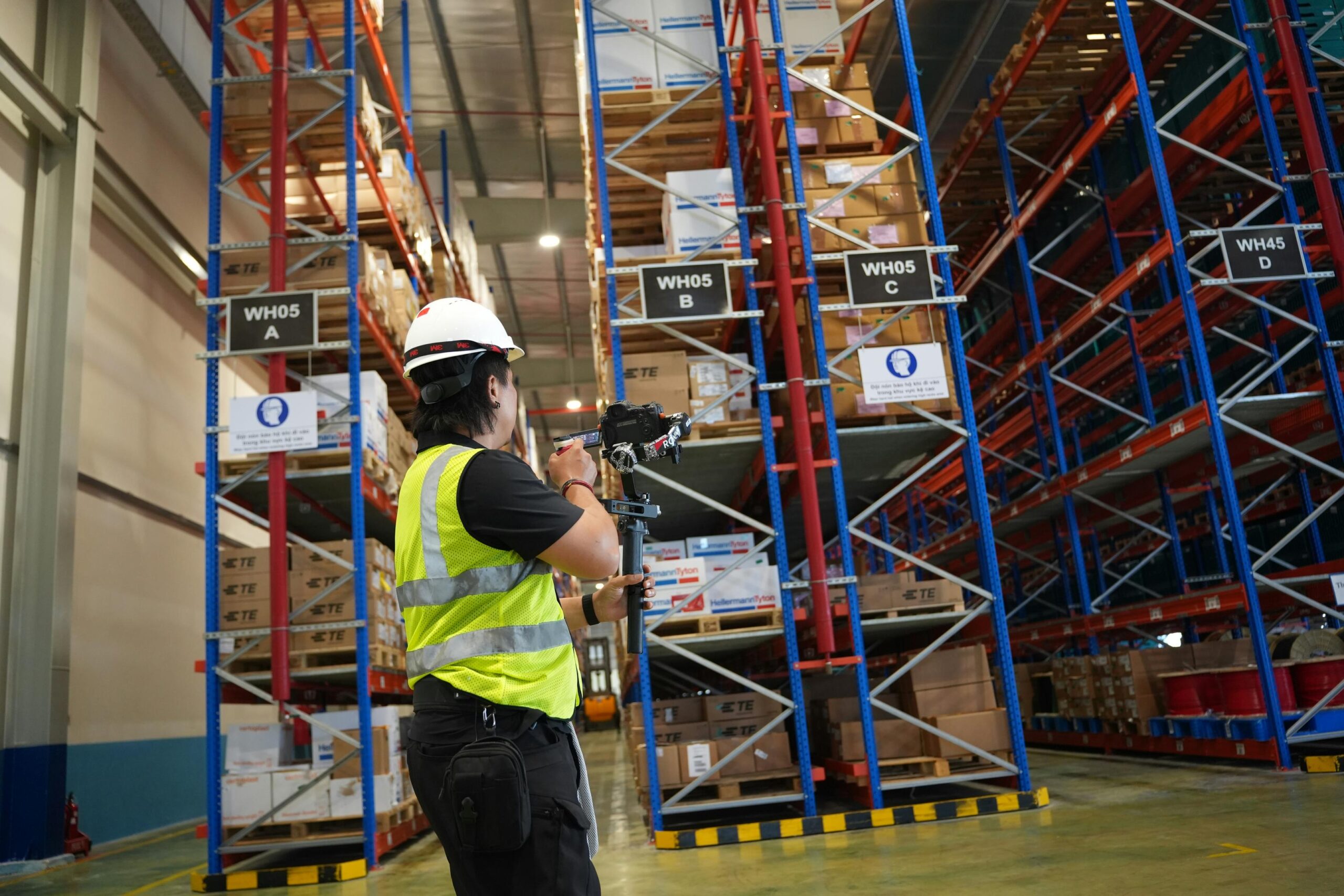
Fire extinguishers should be installed where they are visible, accessible, and appropriate to the risk. In workplaces, place units near likely ignition points and along escape routes. Use signage to mark positions clearly, and ensure staff know the location.
Basic training frequency should be set by site policy. Refreshers support proper handling and reduce hesitation during an emergency.
If your site includes hose reel systems, ensure hose reel inspection and servicing schedules are aligned with extinguisher service schedules.
Frequently Asked Questions About Fire Extinguisher Refill
What is the difference between refill and recharge?
Refill generally refers to restoring extinguishing agent to the correct weight or volume. Recharge often includes restoring pressure to operating specification. In practice, refilled service usually includes recharge and testing, plus documentation.
Which units are non-rechargeable?
Disposable extinguishers are typically non-rechargeable and should be replace rather than refilled. Check the label, valve type, and manufacturer guidance.
How quickly can refilled service be completed?
Turnaround depends on the number of units, site access, and whether parts or hydrostatic testing are needed. For urgent needs, some providers offer mobile refilled service and emergency response.
What should I check on the pressure gauge?
Confirm the needle is in the green zone. If it drops toward the red zone, arrange service. If it is in the red zone, treat it as urgent.
Do I get a certificate after refilled service?
Yes, reputable providers issue an essential certificate and apply a service label that records service date and technician details. This supports compliance checks and understanding.
Book Fire Extinguisher Refill And Service
If you need fire extinguishers refilled service, smoke detection, planning, annual servicing schedules, or an optional service pack for multiple sites, ERF Group has decades of experience on the subject and can help. Contact us: https://erfgroup.co.za/contact-us/
If you want a scope-based purchase price quote, include:
- Number of units and fire extinguisher types
- Site type and access requirements
- Any urgent deadlines or emergency needs
- Smoke alarm analysis
- Note whether hydrostatic testing is due
Give us a Review on Google
Related Posts
Fire Extinguisher Prices in South Africa: A Practical Buyer’s Guide
TL;DR: Fire extinguisher prices in South Africa vary by agent, capacity, construction and supplier. Current…

Dry Powder Fire Extinguishers: Uses, Limitations and Buying Guidance
Dry powder fire extinguishers are widely used across commercial, industrial and vehicle environments because they…

9 kg Fire Extinguisher Prices: What Facilities Teams Should Compare
A 9 kg dry powder fire extinguisher is often selected for commercial, industrial and vehicle-related…
Leave a Reply