


Essential Tips to Effectively Extinguish Fire Safely and Quickly (South Africa)

Fire emergencies rarely give you a second chance. The ability to extinguish fire safely—without risking lives, worsening the situation, or delaying evacuation—depends on two things:
- Knowing what’s burning (fire classes)
- Using the correct extinguisher and technique (fast, calm, trained action)
This guide is written for South African homes, workplaces, and commercial facilities—especially where “small fires” can escalate quickly (workshops, kitchens, server rooms, parking areas, plant rooms, and warehouses).
Introduction to Fire Extinguishing
Fire extinguishing is not about being brave. It’s about being safe, fast, and correct.
A fire needs more than “flames” to keep going. Modern fire science describes the fire tetrahedron:
- Heat
- Fuel source
- Oxygen supply
- Chemical chain reaction (the self-sustaining combustion process)
Removing any one of these elements will result in fire extinction.
To fire extinguishing effectively, you must remove one of those elements—cool it, smother it, starve it, or interrupt the chemical reaction. Interrupting the chemical chain reaction can also lead to fire extinction.
The legal and duty-of-care baseline in South Africa
If you manage people or a site, fire readiness isn’t optional.
“Every employer shall provide and maintain… a working environment that is safe and without risk to the health of his employees.” (Government of South Africa)
That includes training, equipment readiness, and clear evacuation procedures.
Understanding Fire Classes
The simplest way to choose the correct extinguisher is to identify the classes of fire. Fires are grouped by the type of fuel involved—because different fuels behave differently at ignition temperature, in oxygen-rich airflow, and during re-ignition (“re ignite”). Each extinguish class requires a specific type of fire extinguisher to cool or smother the fire effectively, making it essential to match the extinguisher to the fire class for safe and efficient extinguishing.
Classes of fire (quick overview)
- Class A fires: ordinary combustibles (paper, wood, textiles, packaging)
- Class B fires: flammable or combustible liquids (petrol, solvents, oils, paints)
- Class C fires: flammable gases (e.g., LPG) and gas fires
- Electrical fire: fires involving electrical equipment (energised power supply)
- Class D fires: metal fires (burning metals / combustible metals)
- Class K / Class F fires: kitchen fires involving cooking oils, animal fat, and cooking fats (deep fat fryers, chip pan fires)
Different classes = different risks
- Burning liquids can spread rapidly, flowing under doors and across floors.
- Flammable gases can flash and reignite if the source isn’t isolated.
- Combustible materials may look “out” but still hold heat deep inside the burning material.
- Metal fires behave differently and may react violently with water.
Types of Fire Extinguishers
Not all portable fire extinguishers are equal. Each extinguisher type uses an extinguishing agent designed to attack one or more parts of the fire tetrahedron.
Dry chemical extinguishers are among the most widely used fire extinguishers. They contain a powder, typically monoammonium phosphate or sodium bicarbonate, that interrupts the chemical chain reaction of a fire. This mechanism makes dry chemical extinguishers highly effective and versatile, as they can be used on Class A (ordinary combustibles), Class B (flammable liquids), and Class C (electrical) fires. Their development has played a significant role in modern fire suppression systems.
There are two main types of fire extinguishers: stored-pressure and cartridge-operated. Stored pressure fire extinguishers are the most common type, with the expellant gas stored in the same chamber as the extinguishing agent. Cartridge-operated extinguishers, on the other hand, keep the expellant gas in a separate cartridge that is punctured just before discharge.
Fire extinguishers are further divided into handheld and cart-mounted types.
Core extinguisher families you’ll see on sites
- Water extinguisher / water based extinguishers (cooling)
- Water mist extinguishers (fine droplets, absorbing heat efficiently)
- Foam extinguishers / foam fire extinguishers (smother + cool; forms a foam blanket)
- Dry chemical / dry chemical powder (interrupt chemical chain reaction)
- Carbon dioxide (displaces oxygen supply; low residue)
- Wet chemical (designed for cooking oils and burning fat)
Quick selection table (practical)
| Risk area | Typical fuel | Classes of fire | Best “first choice” | Notes |
|---|---|---|---|---|
| Offices, stores, general areas | paper/wood/packaging | class a fires | water extinguisher / water based extinguishers | Water is only effective on Class A |
| Workshops, mixed-use areas | varied combustibles | class a + class b + b and c | dry chemical powder | Versatile but messy (collateral damage) |
| Fuel stores, paint rooms | flammable liquids | class b / flammable liquid fires | foam extinguishers | Foam blanket reduces vapour release |
| Server rooms / computer rooms | electrical equipment | electrical fire | carbon dioxide | Low residue; ventilation matters |
| Commercial kitchens | cooking oils | class f fires / class k fires | wet chemical extinguishers | Designed for hot oil; reduces re-ignite |
| Metal processing | combustible metals | class d | specialist Class D powder | Never “guess” with metal fires |

Fire Extinguisher Safety
Before you try to use a fire extinguisher, you must decide if fighting the fire is even appropriate. Many injuries happen when people attempt to “save the building” instead of protecting lives. The primary goal in any fire emergency is saving lives. Portable fire extinguishers are effective and are saving lives, with the number of fires successfully extinguished by portable devices increasing significantly over the years.
Do NOT fight such fires—evacuate
Evacuate and call emergency services if:
- The fire is spreading beyond a small, contained area (small fires only)
- You cannot keep a clear exit behind you
- Smoke thickens or visibility drops (especially in confined spaces)
- The extinguisher runs out of extinguishing agent
- You feel unsure—uncertainty is a risk signal, not weakness
Alarm-first rule
Trigger the alarm first (or alert others), then decide whether to use a fire extinguisher.
City guidance and public safety materials repeatedly stress early alerting, safe escape, and keeping routes clear. (Cape Town Resources)
Extinguishing Techniques
Portable fire extinguishers, fire blankets, and water are effective methods for controlling a small fire.
Extinguishing techniques are only effective when paired with the correct extinguisher nozzle approach and safe positioning.
In the cooling, smothering, starving subsection, water extinguishers are effective for Class A fires, which involve ordinary combustibles like wood and paper. CO2 extinguishers are suitable for Class B and Class C fires, as they displace oxygen and suffocate the fire.
After extinguishing a fire, always monitor the area for re-ignition and contact the fire department to confirm safety.
The PASS method (your default technique)
P.A.S.S. (common training standard):
- Pull the pin
- Aim at the base of the fire
- Squeeze the handle
- Sweep side-to-side (low, controlled)
In South Africa, industry training bodies actively teach hands-on extinguisher use as part of fire safety programmes. (fpasa.co.za)
Aim where it matters (base, not flames)
Flames are the symptom. The fuel source is the problem. Sweep at the base to separate heat from fuel and oxygen.
Cooling, smothering, starving
- Cooling: water based extinguishers reduce heat (absorbing heat)
- Smothering: foam blanket and CO₂ reduce oxygen supply
- Starving: isolate gas valves, shut fuel lines, remove combustibles where safe
- Interrupting chemical reaction: dry chemical powder disrupts chain reaction
Important reality-check:
If you can’t control airflow, isolate fuel, and keep a clear exit, don’t stay.
Fire Blankets and Equipment
A fire blanket is simple, fast, and extremely effective for certain kitchen fires and small clothing fires—especially where a spray nozzle could scatter burning oil.
When a fire blanket is the best tool
- A small pan fire before it spreads
- Clothing fire (wrap/smother)
- Small bench-top flare-up where smothering is safer than spraying
Don’t use water on burning oil. It can flash, splatter, and spread the burning fat.

Choosing the Right Fire Extinguisher
Choosing the correct extinguisher is a purchasing and placement decision—not something you want to improvise during a fire.
Placement rules that work in real life
Put extinguishers:
- Near exit paths (so you can retreat)
- In high-risk zones (kitchens, garages, plant rooms)
- Visible, signed, and accessible (not behind stock or furniture)
Don’t ignore “collateral damage”
- Dry chemical agents can save lives—but they can also destroy electronics, contaminate sensitive areas, and create visibility problems.
- Carbon dioxide is clean for computer rooms, but in confined spaces it can reduce oxygen levels and visibility if poorly managed.
Quick “site walkthrough” checklist
- Is the correct extinguisher installed for each risk area?
- Can someone reach it in under 10 seconds?
- Is it unobstructed and signed?
- Is the pressure gauge normal (where fitted)?
- Is the service label current and legible?
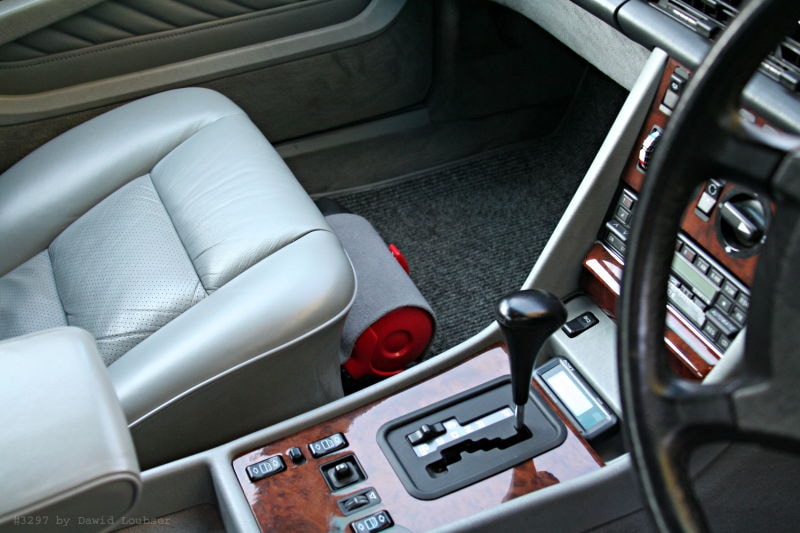
Vehicle Fire Safety
Vehicle fires require fast decisions because fuel, plastics, and engine compartments can accelerate heat quickly.
What to keep in a vehicle (practical kit)
- A small, compliant extinguisher rated for class b and electrical equipment risks
- A fire blanket (optional but valuable)
- A torch
- A basic first-aid kit
If a vehicle fire starts
- Stop safely, switch off ignition/power supply
- Get everyone out and away from the vehicle
- Do not open a hot bonnet fully (oxygen surge risk)
- If safe and small, discharge through a small opening or from a distance
- If it grows—evacuate and call emergency services
Fire Protection and Prevention
Prevention is the fastest way to “extinguish” a fire—by stopping ignition before it begins.
Everyday controls that prevent most fires
- Remove clutter and reduce combustible materials near heat sources
- Control ignition temperature risks (overloaded plugs, failing appliances)
- Store flammable liquids correctly (containers, ventilation, segregation)
- Maintain electrical equipment and protect against damaged cords
- Keep training current for staff who face most fires (kitchens, maintenance teams)
Cape Town’s public-facing fire safety resources emphasise housekeeping, correct equipment, and knowing how to use extinguishers. (Cape Town Resources)
Specialized Fire Extinguishers
Some hazards should never be tackled with “whatever is nearby.”
Class D fires (metal fires)
Combustible metals (like magnesium, titanium, and some aluminium forms) burn extremely hot and can react with water.
- Use a specialist dry chemical powder designed for metal fires
- Avoid water based extinguishers unless you are trained and the product rating confirms suitability
Kitchen fires (Class K / Class F fires)
Wet chemical extinguishers are designed for hot oil and deep fat fryers:
- They cool and reduce re-ignite
- They suppress vapours and help stabilise the burning oil surface
When clean agent solutions matter
In computer rooms and certain sensitive environments, you may need clean solutions to reduce collateral damage—this is where system design and risk-specific selection matter more than “one-size-fits-all”.
Fire Extinguisher Training
Most failures during fire response come from human factors: panic, wrong extinguisher selection, and poor technique.
What good training includes
- Fire classes recognition (different classes)
- Correct extinguisher selection (correct extinguisher)
- Hands-on practice: stance, sweep speed, distance, escape discipline
- Decision-making: when to stop and evacuate
FPASA publishes training programmes that include practical extinguisher use and hazard identification. (fpasa.co.za)
Fire Classes and Extinguishers
This is the “match-making” layer: fires behave differently, and extinguishers are engineered accordingly.
The “one-minute match” table
| Classes of fire | Typical examples | Correct extinguisher (common) | Why it works |
|---|---|---|---|
| class a fires / class a | paper, wood, textiles | water extinguisher / water mist | Cooling + absorbing heat |
| class b | petrol, solvents, paints (combustible liquids) | foam extinguishers | Smothers vapours + cools |
| class c (gas fires) | LPG, natural gas | isolate gas + suitable rated extinguisher | Stop fuel source first |
| electrical fire | energized electrical equipment | carbon dioxide | Displaces oxygen, low residue |
| class d | burning metals | specialist powder | Designed for metal reactions |
| class f fires / class k fires | cooking oils, cooking fats | wet chemical | Cools + prevents re-ignite |
Fire Extinguisher Maintenance
Maintenance is where fire readiness is won or lost.
South Africa: competent servicing matters
To service extinguishers in SA, competency and permitting requirements apply.
SAQCC Fire notes that companies servicing extinguishers need an SANS 1475 permit, and points users toward approved accreditation bodies.
Practical maintenance schedule
| Task | Frequency | Who | What to look for |
|---|---|---|---|
| Visual/access check | Monthly | Site team | Not blocked, signage visible |
| Gauge/tamper check | Monthly | Site team | Gauge normal, pin/seal intact |
| Full service | Typically annual | Competent technician | Inspection, recharge, certification |
| Refresher training | Annual (or more) | Safety lead | PASS + decision rules |
Conclusion
To extinguish fire safely and quickly, you need a repeatable approach:
- Identify the classes of fire
- Select the correct extinguisher and extinguishing agent
- Use safe technique (PASS), keep your exit, and stop if conditions worsen
- Maintain equipment and train people so response becomes automatic
Fires aren’t only about flames. Smoke, heat, oxygen flow, and the chemical chain reaction can turn a small incident into a serious emergency—fast. This is why “fire fires” (repeat flare-ups and re-ignition events) are so often linked to poor extinguisher choice, poor technique, and delayed evacuation.
Frequently Asked Questions
What does it mean to extinguish a fire?
It means stopping the combustion process by removing heat, fuel source, oxygen supply, or disrupting the chemical reaction (chain reaction) so the fire cannot continue.
How do you extinguish a fire?
You either:
- Cool it (water based extinguishers / water mist)
- Smother it (foam blanket, CO₂)
- Starve it (remove fuel, isolate natural gas or vapours)
- Interrupt it (dry chemical powder)
What are the 4 methods to extinguish a fire?
Cooling, smothering, starving, and chemical inhibition (interrupting chemical chain reaction).
What are the four steps when extinguishing a fire?
Use PASS: Pull, Aim, Squeeze, Sweep—while keeping a clear escape route and evacuating if the fire grows.
Where ERF Group Fits In
ERF Group helps facilities teams across South Africa choose, place, service, and document the right equipment—so your site can respond correctly to most fires, from ordinary combustibles to kitchen fires and electrical equipment risks.
If you need help with risk-based extinguisher selection, compliant placement, staff training, or scheduled servicing, Contact us: https://erfgroup.co.za/contact-us
Related Posts
Fire Extinguisher Prices in South Africa: A Practical Buyer’s Guide
TL;DR: Fire extinguisher prices in South Africa vary by agent, capacity, construction and supplier. Current…

Dry Powder Fire Extinguishers: Uses, Limitations and Buying Guidance
Dry powder fire extinguishers are widely used across commercial, industrial and vehicle environments because they…

9 kg Fire Extinguisher Prices: What Facilities Teams Should Compare
A 9 kg dry powder fire extinguisher is often selected for commercial, industrial and vehicle-related…
Leave a Reply