


Class D Fires: Combustible-Metal Risks and Extinguishing Guidance

TL;DR: A Class D fire involves combustible metals such as magnesium, titanium, sodium or certain metal powders and swarf. These incidents need a specialist extinguishing agent selected for the metal involved. Water, foam, carbon dioxide and ordinary multipurpose dry powder can be ineffective or dangerous. Facilities teams should identify combustible-metal hazards before an emergency, obtain compatible equipment, control ignition and housekeeping risks, and ensure that trained personnel know the site procedure.
What is a Class D fire?
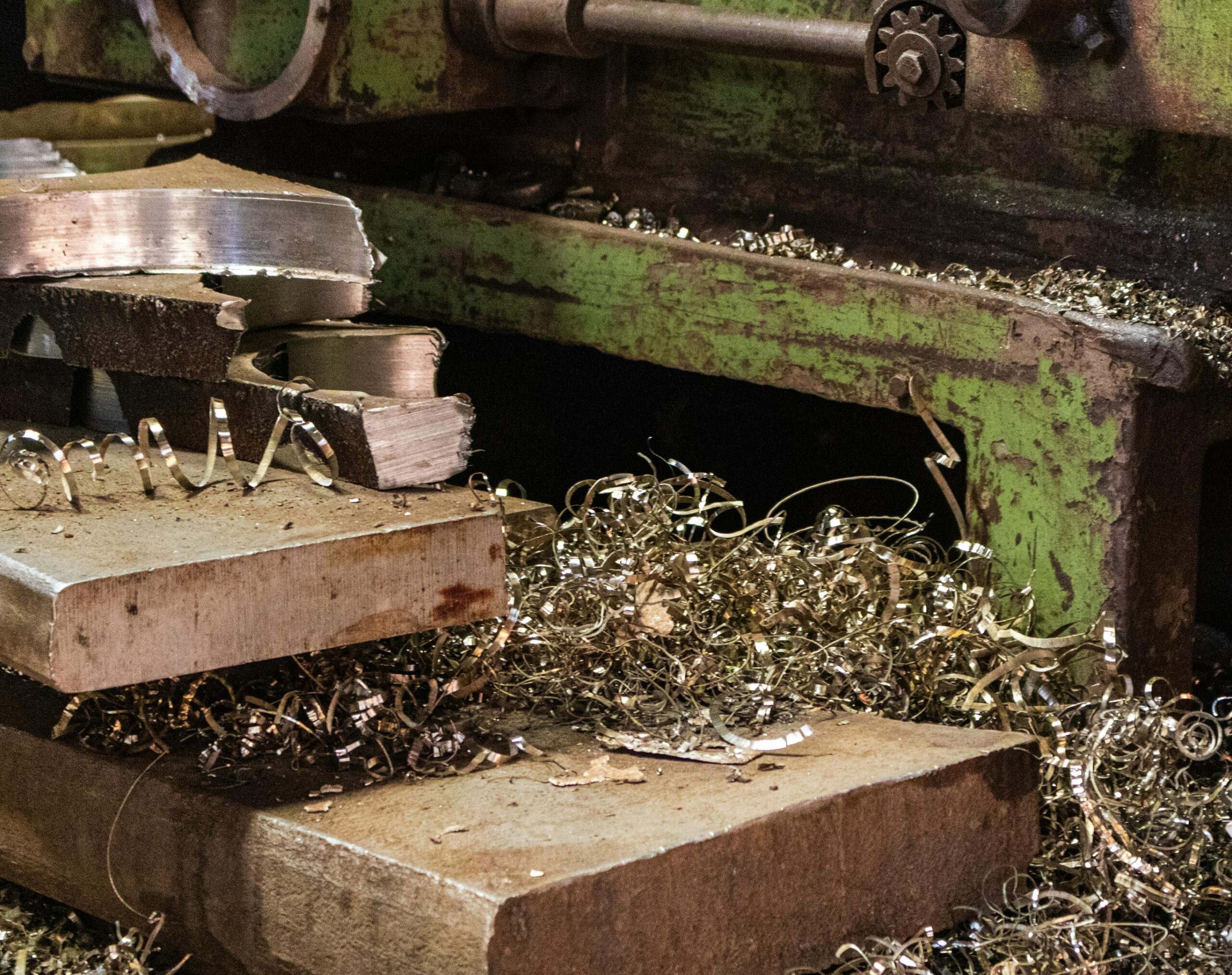
A Class D fire is a fire involving combustible metals. Although solid metal components may appear difficult to ignite, the risk changes when a metal is present as fine powder, dust, shavings, turnings, swarf or thin sections. The increased surface area allows heat and oxygen to act more quickly, and some metals can burn at extremely high temperatures.
These fires are uncommon in ordinary offices, but they are a credible industrial risk in manufacturing, machining, laboratories, metal processing, recycling and facilities that handle reactive materials. The correct response depends on the exact metal, its physical form, the surrounding process and the compatible extinguishing medium.
Which metals can create a Class D fire risk?
Examples include magnesium, titanium, sodium, potassium, zirconium and aluminium when it is finely divided. Other metals and alloys may also present a combustible-metal hazard under particular process conditions. A solid block and a cloud of fine powder do not behave in the same way, so the form and quantity of the material matter.
Facilities and safety teams should not rely on a generic list alone. Review safety data sheets, process documentation and supplier guidance for the materials actually used on site. Where uncertainty remains, obtain advice from a competent fire-protection specialist and the material supplier.
Why combustible-metal fires behave differently
Burning metals can reach temperatures at which common extinguishing media break down or react. Applying the wrong medium may spread burning particles, create flammable gas, produce a violent reaction or expose responders to intense heat and fumes. This is why ordinary extinguisher selection rules cannot simply be transferred to a Class D hazard.
A specialist powder is generally intended to smother the fire, absorb heat or form a crust over the burning material. Its performance depends on compatibility with the metal. There is no single Class D agent that should automatically be assumed suitable for every combustible metal.
Class D compared with other fire classes
| Fire class | Typical fuel | Selection consideration |
|---|---|---|
| Class A | Ordinary solid combustibles such as paper, wood and textiles | Commonly addressed with media suited to ordinary combustibles |
| Class B | Flammable liquids | Requires control of the liquid fuel and vapour risk |
| Class C | Flammable gases | Fuel isolation is a central part of the response |
| Class D | Combustible metals | Requires a metal-specific compatible agent and procedure |
| Class F | Cooking oils and fats | Requires equipment designed for high-temperature cooking-oil fires |
The classification helps identify the fuel, but it does not replace a site-specific risk assessment. Electrical equipment may be involved in an incident without changing the underlying fuel class. Power isolation and electrical safety must still form part of the response plan.
Why standard extinguishers may be unsafe
Do not assume that an ABC dry-powder extinguisher is suitable simply because the word “powder” appears on the label. Multipurpose dry powder is formulated for other fire classes and is not the same as a specialist Class D extinguishing powder.
Water and water-based media may react dangerously with certain burning metals. Carbon dioxide can also be unsuitable, and a forceful discharge may disturb or scatter burning powder. Sand should not be treated as a universal substitute unless its use has been specifically assessed and approved for the material and process. The safest rule is to use only an agent explicitly identified as compatible with the relevant metal hazard.
How specialist Class D extinguishing agents work
Depending on the formulation and metal, a Class D agent may exclude oxygen, absorb heat and create a covering layer that limits re-ignition. Application is usually gentle so that burning particles are not spread. Equipment design, applicator type and agent quantity all affect how it can be used.
Selection must be based on the manufacturer’s stated application and the site risk assessment. Labels, technical data and maintenance records should clearly identify the intended hazard. If different combustible metals are present, one extinguisher may not address every risk.
Where commercial and industrial sites may face the risk
- Machining and fabrication areas producing magnesium or titanium swarf
- Metal-powder processing, additive manufacturing and powder coating operations
- Laboratories, chemical stores and facilities using reactive metals
- Recycling, waste handling and recovery processes
- Grinding, cutting or polishing areas where fine combustible dust can accumulate
The hazard may sit within a small part of a much larger facility. That makes clear equipment positioning, signage and staff awareness important. A responder should be able to recognise that a specialist hazard is present before reaching for the nearest general-purpose extinguisher.
Is a lithium-ion battery fire a Class D fire?
Not automatically. Lithium-ion batteries generally contain lithium compounds rather than exposed bulk lithium metal, and their failures involve thermal runaway, flammable electrolyte and re-ignition risks. They should not be treated as an ordinary Class D metal fire without a specific battery emergency plan.
Metallic lithium and lithium-ion batteries are different hazards. Facilities storing, charging or processing batteries should assess the battery chemistry, quantity, location, ventilation and manufacturer guidance separately.
Preventing combustible-metal fires
Prevention begins with control of fine material. Keep swarf, dust and powders from accumulating, use appropriate collection methods and avoid cleaning practices that disperse combustible dust. Store reactive materials in compatible containers and separate them from moisture, incompatible chemicals and ignition sources as required by the supplier information and risk assessment.
Equipment condition also matters. Inspect extraction, bonding, earthing and process controls where applicable. Manage hot work carefully, and ensure contractors understand the specific metal hazards before starting cutting, welding, grinding or maintenance work.
What facilities teams should check
- Which combustible metals are present, in what form and in what quantity?
- Do current safety data sheets and process risk assessments cover the fire response?
- Is the extinguishing agent explicitly compatible with the identified metal?
- Are extinguishers accessible, clearly marked and protected from contamination or damage?
- Have relevant employees been trained to raise the alarm, isolate the area and follow the approved procedure?
- Are inspections, servicing and replacement dates recorded?
Include Class D equipment in the site’s wider fire-equipment register. ERF’s practical guide to servicing fire equipment can help facilities teams structure routine checks and documentation.
When should employees attempt to use an extinguisher?
Employees should only attempt first-aid firefighting when the site procedure permits it, they have been trained, the correct compatible equipment is available, the fire is at an early stage and a safe escape route remains open. The alarm must be raised and emergency procedures activated first.
Combustible-metal fires can be deceptive and may re-ignite. If the material is unidentified, the fire is spreading, fumes or explosions are possible, or the correct agent is not immediately available, evacuate and leave the response to the emergency services. Do not experiment with an extinguishing medium.
Inspection, servicing and documentation
Specialist extinguishers require the same disciplined asset management as the rest of a site’s fire equipment, together with attention to their particular agent and applicator. Check seals, pressure indicators where fitted, labels, hose or applicator condition, accessibility and signs of damage. Servicing intervals and procedures depend on the equipment, manufacturer requirements and applicable standards.
Keep service records traceable to the specific unit and location. If a process changes, a new metal is introduced or production volumes increase, reassess whether the installed equipment remains appropriate. The fire extinguisher maintenance checklist provides a useful broader reference, but specialist Class D compatibility must still be verified.
South African compliance and competent advice
Fire-equipment selection and servicing should align with the applicable South African standards, building requirements, workplace risk assessment and local authority expectations. Requirements vary according to the occupancy, process, stored materials and system design. Avoid treating a generic internet recommendation as a specification for an industrial hazard.
Use competent service providers and appropriately registered personnel where the work falls within regulated fire-equipment servicing. SAQCC Fire provides industry information on registration in the South African fire-protection sector.
Choosing Class D equipment for your facility
Start with the hazard, not the extinguisher size. Identify the metal and its form, map where it is stored or processed, assess credible fire scenarios and confirm the manufacturer-approved agent. Then determine equipment quantity, placement, signage and training with a fire-protection specialist.
Procurement teams should request technical documentation that states the intended metal application. Confirm ongoing availability of the correct agent and servicing support, particularly for specialised imported equipment. The lowest initial price is not useful if the unit is incompatible, cannot be maintained or leaves staff uncertain during an emergency.
Get specialist fire-protection support
ERF Group helps commercial and industrial facilities assess fire-equipment needs, source suitable extinguishers and maintain clear service records. For a combustible-metal hazard, provide details of the material, process and site conditions so that compatibility can be checked before equipment is specified.
Contact us to discuss Class D fire risks, specialist extinguisher selection and fire-equipment servicing for your facility.
Related Posts
Fire Extinguisher Prices in South Africa: A Practical Buyer’s Guide
TL;DR: Fire extinguisher prices in South Africa vary by agent, capacity, construction and supplier. Current…

Dry Powder Fire Extinguishers: Uses, Limitations and Buying Guidance
Dry powder fire extinguishers are widely used across commercial, industrial and vehicle environments because they…

9 kg Fire Extinguisher Prices: What Facilities Teams Should Compare
A 9 kg dry powder fire extinguisher is often selected for commercial, industrial and vehicle-related…
Leave a Reply