


Essential Fire Detection Systems for Enhanced Safety and Security

willF Group🔎 Introduction to Fire Detection Systems
Fire detection systems are essential for minimizing fire-related risks and protecting lives, offering the earliest possible warning in case of fire. These technologies are a fundamental component of any fire safety strategy, commonly featuring smoke detectors, heat detectors, and point detection systems that utilize optical sensing to improve detection accuracy.
By combining smoke and heat sensors, these fire detection systems can identify threats in various environments, including dusty or high-temperature settings.
Modern fire detection systems can also be integrated with broader safety and security infrastructure, such as alarm control panels, fire alarm sounders, and even centralized building management systems. The presence of these interlinked technologies ensures comprehensive coverage and fast response in emergencies. Behind every effective system are certified fire technicians responsible for installation, servicing, and ongoing maintenance.
Regular inspections and servicing reduce false alarms and ensure operational reliability, keeping occupants safe and compliant with legal standards.
🧱 Components of Fire Alarm Systems
A fire alarm system consists of several interconnected components that function together to detect and respond to fires. At the heart of these systems are fire detectors, which include both smoke and heat detectors.
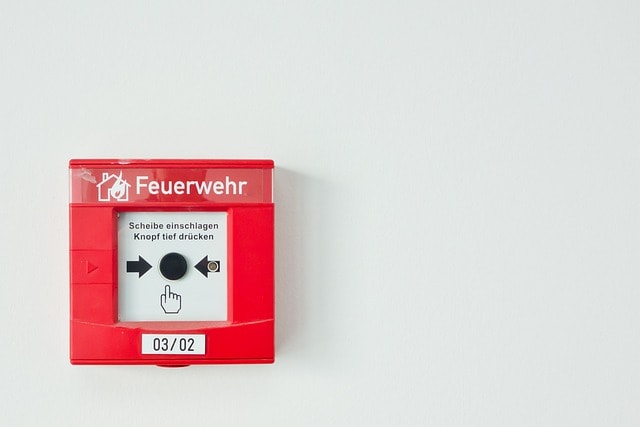
These smoke and heat detectors sensor and continuously monitor the environment for signs of combustion or dangerous temperature changes. In addition to automated detection, manual call points allow individuals to manually trigger fire alarms if a fire is observed before automatic systems respond.
All fire alarm detectors and devices feed into a central fire alarm control panel, the central hub then processes incoming signals and activates appropriate fire systems. Fire Control panels may be programmed to trigger audible and visual alerts, activate emergency lighting, or contacts emergency responders.
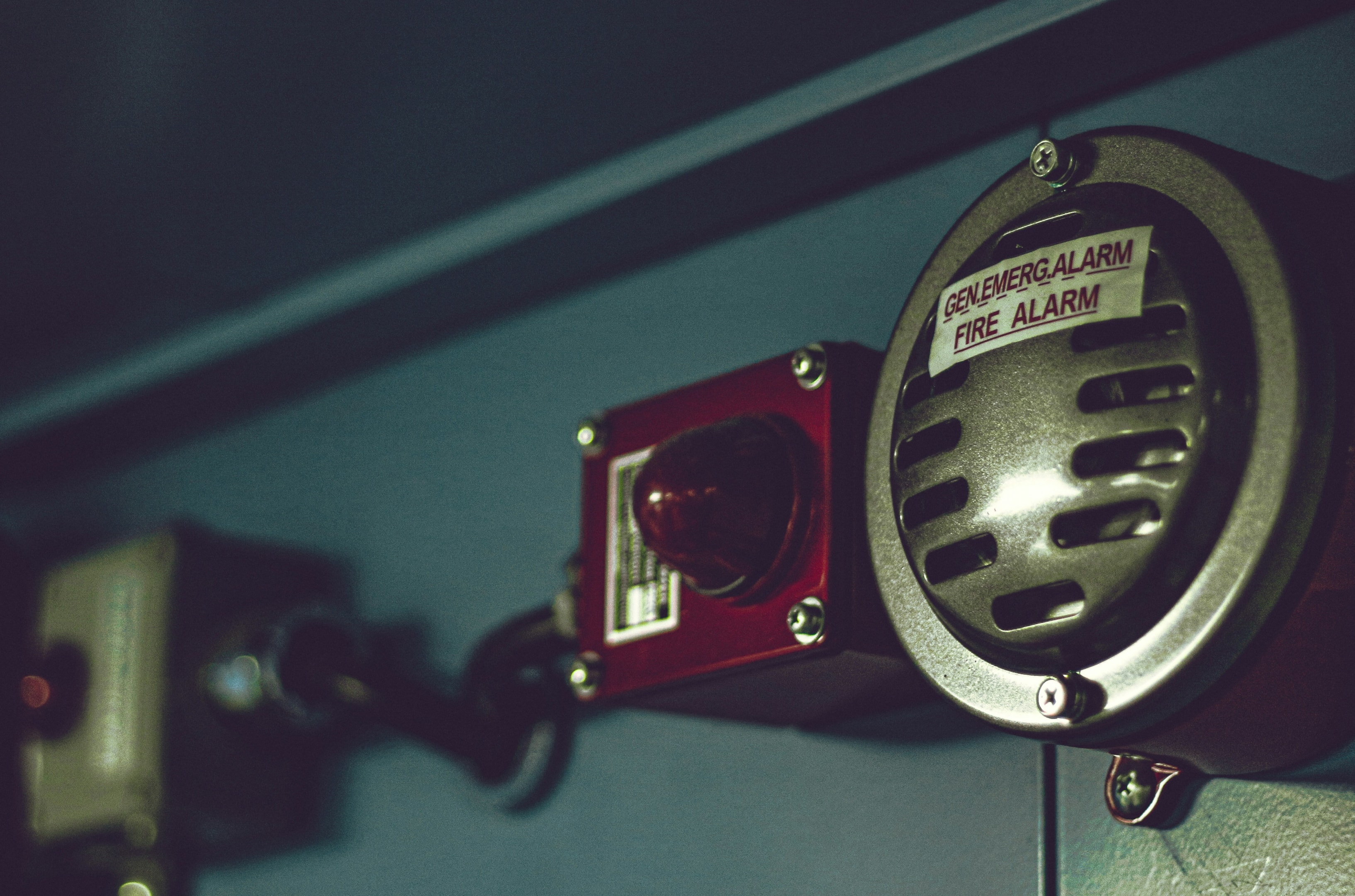
Fire alarm sounders, warning devices, and integrated power supplies with backup systems ensure uninterrupted operation even in power outages, which is especially vital in load-shedding scenarios.
🚨 Detection and Fire Alarm Control Panels
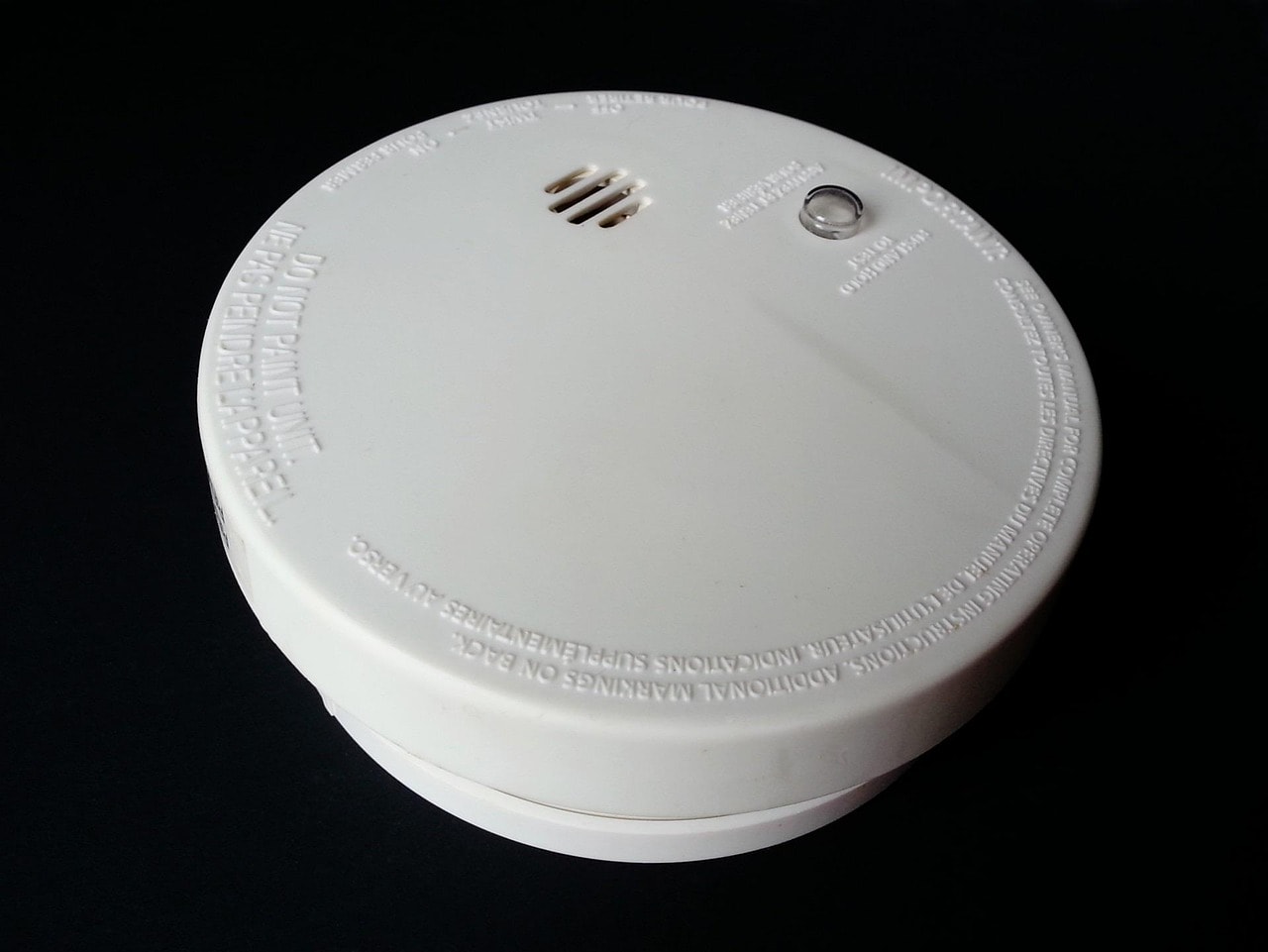
Fire detection systems employ a range of methods to identify fire threats. These include optical smoke detection, which senses particulate matter in the air, and heat detection, which monitors for sudden temperature spikes. In some settings, manual call points remain indispensable as they allow for human-initiated alerts when automatic fire detection lags.
Once a threat is identified, the fire alarm system deploys notification methods such as audible alarms, visual alerts, and signals sent to emergency services or onsite personnel.
High-sensitivity smoke detectors use air sampling systems to further enhance early warning capabilities by continuously drawing air into a central unit and analyzing it for smoke particles. Feeding this info back into the fire control panel, these fire detection systems are particularly effective in mission-critical environments such as data centers or manufacturing facilities.
Customization is key, fire detection systems are designed to meet the unique needs of industrial complexes, commercial premises, or high-risk areas. Consistent testing and scheduled maintenance ensure all detection and fire alarm system components remain effective and compliant with regulations.
🛠️ Fire Control Detection and Fire System Design
The design of a fire detection system must be tailored to the building’s layout, intended use, and potential fire hazards. Architects and engineers must account for occupancy type, room configuration, airflow, and material combustibility. Fire alarm systems should comply with compliance standards and other regional or national codes to ensure legal and insurance requirements are met.
Integration is a major trend in fire alarm system design. Fire detection systems can work in tandem with other building infrastructure, such as HVAC systems and access control, creating a more resilient security network. Central Fire Control Panels offer this type of integration to manage core facilities during a crisis.
Your fire alarm system requires in-depth knowledge of your product and environment. Choosing the correct smoke detectors is critical, heat detectors, for example, are ideal for dusty environments or kitchens where smoke might trigger false alarms.
South African suppliers offer a comprehensive range of fire alarm systems from basic standalone devices to advanced networked solutions that suit a variety of budgets and risk profiles. The goal is not just detection, but timely, actionable fire alarm alerts that protect property and lives.
🏢 Fire Protection in Commercial Buildings
Commercial demands more than basic detection, it requires a strategic approach that includes both fire alarm systems and compliance with regulations. According to South African standards, fire alarm systems are mandatory for most commercial properties due to the heightened risk posed by larger occupancy volumes and business operations.
These fire systems are designed not just to protect occupants but also to safeguard valuable assets and ensure operational continuity. In many installations, fire alarms, sprinkler systems, precautionary lighting, and access control measures are integrated alongside fire detection equipment, forming a holistic protocol.
Routine fire detection inspections and thorough maintenance play a vital role in ensuring these systems function properly. Failure to uphold these regulations may result in penalties, loss of insurance coverage, or increased liability during incidents.

👷 Installation and Maintenance of Fire Alarm Systems
Proper installation and ongoing maintenance of fire alarm systems are essential for both legal compliance and practical wellbeing.
Certified technicians should be responsible for all fire alarm installations, ensuring that your smoke detectors are connected to the fire panel and correctly configured for maximum coverage. Regular fire system servicing helps identify potential faults before they become critical.
Testing should be conducted routinely, with biannual checks mandated under SANS10139, the South African standard for fire alarm systems. These inspections include the verification of your fire panel sensors, control panel function, smoke detector effectiveness and notification devices. A log book must be maintained onsite to document all maintenance activities, repairs, and test results, ensuring traceability and accountability.
🧭 Addressable Fire Systems vs Conventional Fire Systems
Fire alarm systems are typically divided into two categories: addressable and conventional.
Addressable fire systems offer pinpoint accuracy, displaying the exact location of the event on the fire panel. This level of detail enables faster and more strategic responses. These systems are ideal for large industrial facilities, commercial fire prevention or complex buildings with multiple zones.
Conventional fire systems, on the other hand, are more cost-effective and simpler to operate. Often utilizing manual call points for users to activate. They provide general zone alerts without detailed location data, which may be sufficient for smaller or low-risk facilities to alert users to the early stages of a fire.
The decision between the two depends on the building’s layout, occupancy risk, legal requirements and budget. Addressable fire systems often include smoke detector features that monitor smoke concentration levels and differentiate smoke from other airborne particles, a critical capability in open areas and industrial zones.
🏢 Building Fire Systems and Integrated Security
Fire detection systems are integral to a building’s overall security profile. Beyond detecting flames and smoke, these fire systems contribute to broader risk mitigation strategies. Integration with CCTV, access control, and intrusion detection helps create a layered security model.
Reliable performance in adverse conditions is also essential. Fire-resistant cables, typically housed in conduits or tubes, allow these systems to continue functioning outdoors or underground, even during extreme heat or water exposure.
Regular risk assessments, system upgrades, and policy reviews ensure that building owners remain compliant and well-prepared for predicaments.

🚪 Emergency Response and Evacuation Protocols
A fire detection system is most effective when paired with clear emergency response and evacuation procedures. As soon as a a fire detector is triggered, systems should immediately sound alarms, initiate notification devices, activate evacuation protocols, and implement supporting fire systems like sprinklers and emergency lighting.
Occupants must be trained in emergency procedures so they know how to exit the building safely. Regular drills simulate real-world scenarios and help reduce panic and confusion during an actual fire event. Integration with other security infrastructure ensures coordinated action during emergencies, minimizing risks to life and property.
📜 Fire Safety Regulations and Compliance
Fire protection regulations in South Africa are continually evolving, and staying current is essential for all owners and managers. These standards, including those set by local fire departments and building authorities, dictate the design, installation, and servicing of fire detection systems.
Systems must be regularly inspected to ensure compliance, and any updates to regulation should be incorporated into existing setups. Failing to comply with these standards can result in fines, legal consequences, and increased insurance premiums.
Proper documentation and proof of system effectiveness through logs, certifications, and test results are critical.
💡 Advanced Fire Detection Technologies
Modern fire detection systems now go far beyond basic alarms. Detector Technologies such as air sampling smoke detection devices, infrared heat sensors, and intelligent control panels offer faster, more precise alerts. These fire systems and devices can detect the severity and spread of fire and support tailored responses for different environments.
Integrated with other safety measures including a vase range of installed fire system devices such as sprinklers, exit lighting, fire detectors and access control, creates a multi-layered system that protects occupants, equipment, and business continuity.
Keeping these newly installed fire technologies up-to-date through firmware patches and scheduled upgrades ensures these devices performance over time. No fire system is complete without the correct device technologies installed and monitored regularly through automatic or manual updates.
📚 Fire Protection Education and Training
Fire education is not just about devices and equipment, it’s about people. Regular education and training programs ensure that staff and occupants know how to respond. Training should cover fire system components, evacuation routes, emergency protocols, and how to operate manual call points as a quick way to detect a fire.
Routine fire drills reinforce theoretical training and help assess readiness. Internal fire programs should be reviewed and updated periodically to reflect changes in building layout. ER Manage where extinguishers, notification devices and hoses have been installed, occupancy, and risk assessments.
Education efforts build confidence and reduce the likelihood of injury or loss during actual fire events making sure your team is equipped with the right expertise to detect these situations under pressure.
🎛️ Control Panel Functionality and Options
Control panels form the operational hub of fire detection systems, displaying fire notifications, directing emergency responses, and managing installed connected devices.
Advanced fire systems and devices can detect the location and severity of a fire, differentiate between zones, and even generate reports for post-event analysis.
Panels can be customized to meet specific building standards and integrated with broader safety systems like sprinklers and lighting. As with other components, regular maintenance is essential to ensure reliable operation. Technicians should inspect for software updates, hardware faults, and data integrity during scheduled servicing.
🏬 Fire Alarm Systems for Commercial Premises
For commercial structures, fire alarm systems are non-negotiable. They protect human lives, secure assets, and fulfill legal obligations from fire damage. These fire systems must meet regional standards and be robust enough to handle various fire scenarios. From large office blocks to shopping centers, alarms must quickly detect and notify without causing unnecessary disruptions.
Commercial-grade fire systems offer more advanced features, including zone mapping, early smoke detection, and real-time monitoring
Conclusion
In today’s fire-prone environments, implementing a robust and well-designed fire detection system is no longer optional, it’s essential for safeguarding lives, property, and operations.South African regulations and rising demands make it critical for commercial and industrial buildings to deploy fire systems that are both reliable and compliant.
Whether warnings through smoke detection, heat sensing, manual call points, or addressable panels, these connected technologies offer the earliest possible warnings, allowing occupants to react swiftly and mitigate threats.
Advanced fire systems are now connected with a wide range of other security measures such as CCTV, sprinklers, and access control, creating a multi-layered approach to building security. Ongoing education, regular testing, and the expertise of certified technicians ensure that these fire systems remain effective and legally compliant. From basic installations to tailored configurations for high-risk facilities, ERF Group is equipped with a wide range of fire detection solutions to be both proactive and resilient.
East Rand Fire continues to support businesses with expert installation, servicing, and compliant fire systems, helping clients stay ahead of regulatory requirements while protecting what matters most.
With continuous innovation and professional guidance, fire safety becomes a strategic advantage—not just a legal requirement. Make sure your fire system isn’t just installed, it’s optimized, maintained, and ready to respond when it counts.
Contact ERFGroup for more information on how we can help inspect and audit your current protection in line with government and insurance compliance.
Related Posts

Fire Suppression Systems for Commercial and Industrial Sites
A fire suppression system is designed to control or extinguish a fire automatically within a…

Electrical Fire Extinguishers: Choosing the Right Type for Energised Equipment
TL;DR: Fires involving energised electrical equipment require an extinguishing medium that does not conduct electricity…

In-Rack Fire Sprinkler Systems for Warehouses and High-Piled Storage
Warehouses with high-piled or densely packed storage present a particular fire protection challenge. Pallets, cartons…
Leave a Reply